
Dental Care for Dogs & Cats in Boerne, TX
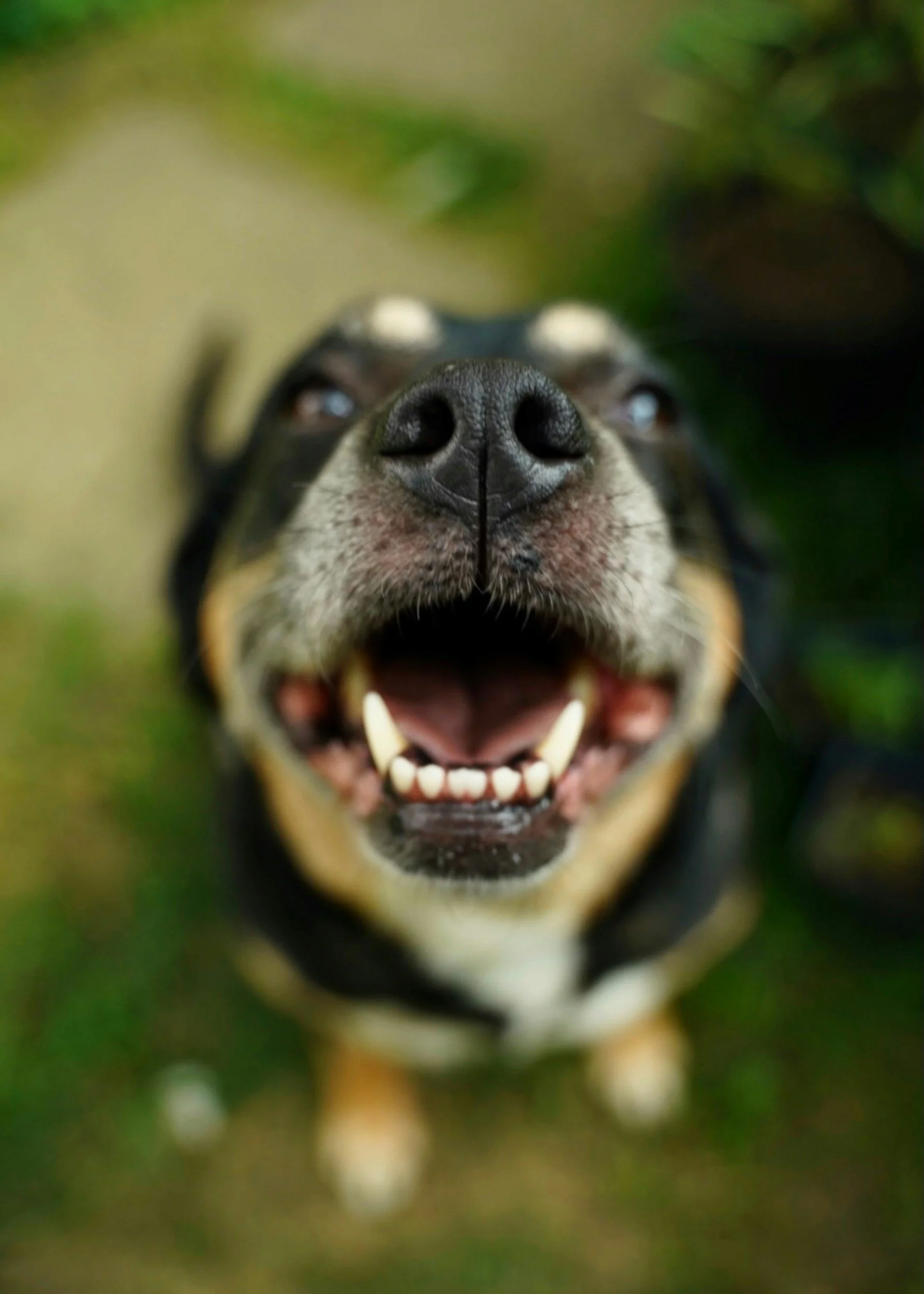
Did you know several organ systems are negatively impacted by disease in the mouth? Does your pet have bad breath or tartar? Loose or fractured teeth? Our team is passionate about comprehensive dental care and the positive effects it has on the overall well-being of your pet. Fresh breath and a polished smile are only the tip of the iceberg as we offer full-mouth x-rays, tooth extraction, and dental surgery intervention to address disease beneath the gumline.
When your pet arrives for a dental cleaning, it is first examined by a veterinarian to be sure it is healthy. Bloodwork may be performed and any concerns about anesthesia thoroughly addressed with the pet owners.
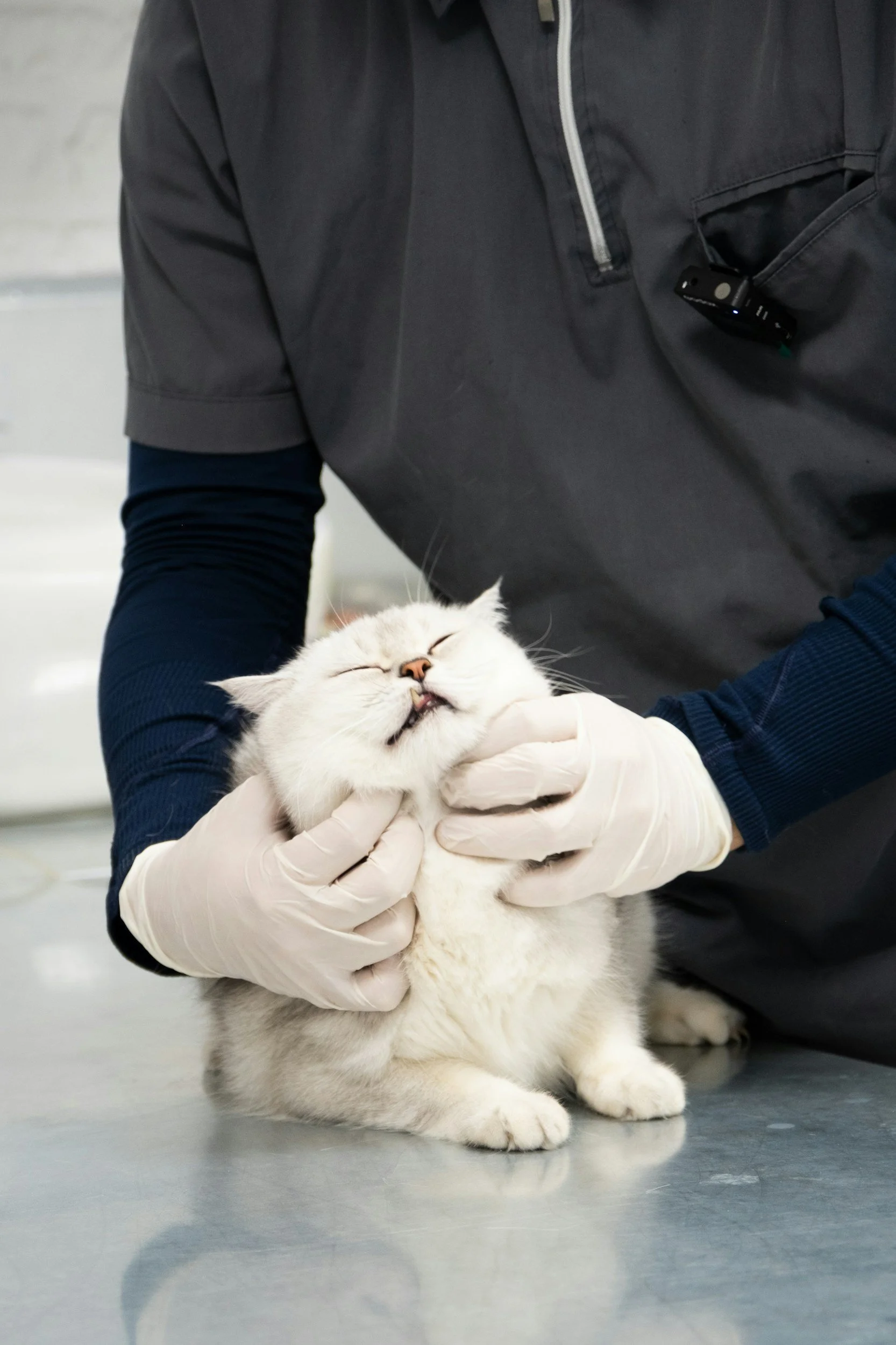
Pre-anesthetic Exam
After being cleared by the vet, your dog or cat is anesthetized and trained staff closely monitors your pet during the procedure. An oral exam is performed by the vet with dental x-rays to see any issues below the gum line.
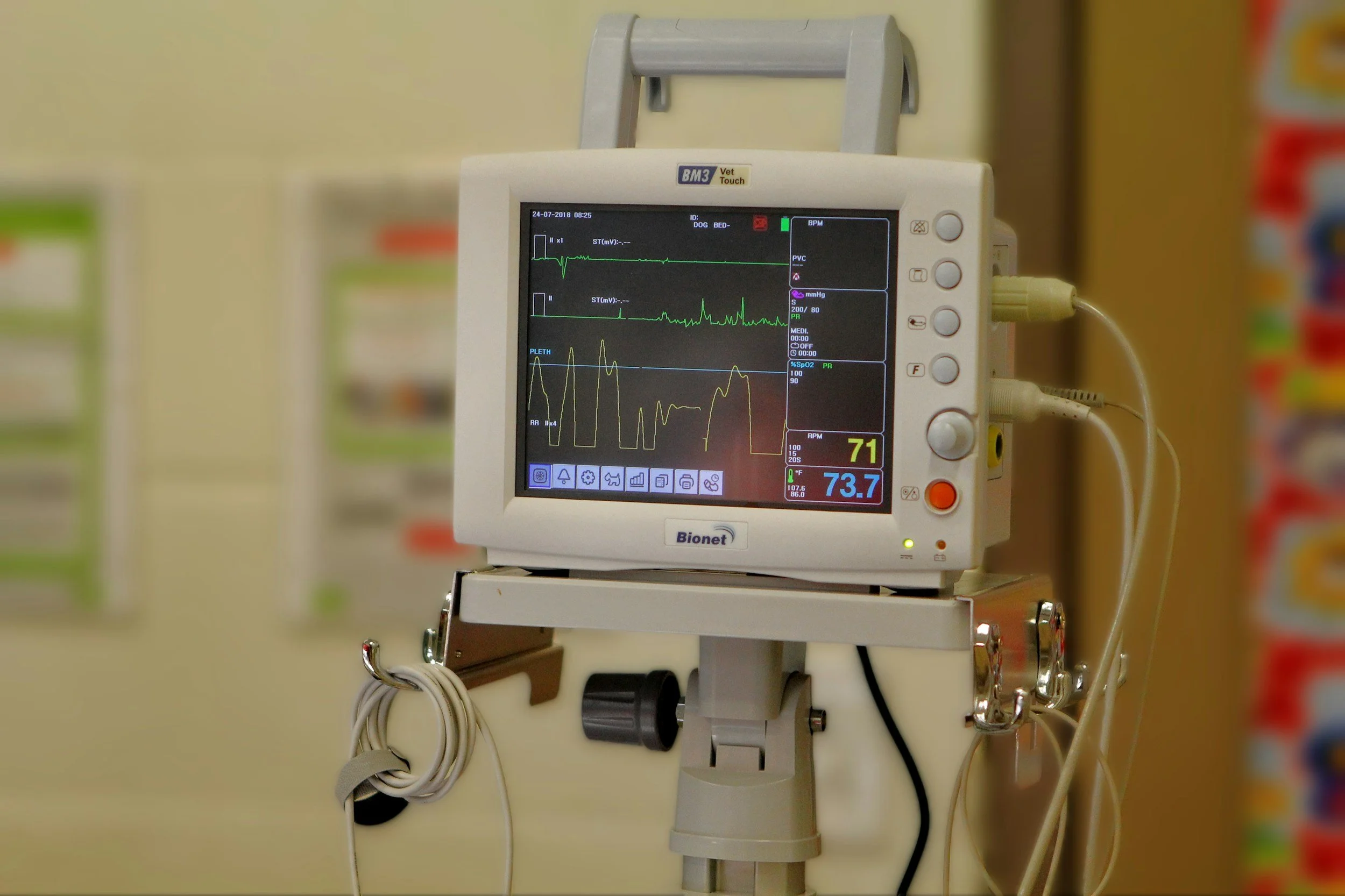
Anesthetic Monitoring
The teeth are cleaned with an ultrasonic scaler and polished. Any loose or diseased teeth are documented and a consultation with the owner may occur about removal. After the procedure, your pet is closely observed to be sure they wake up from anesthesia smoothly and without any pain before going home the same day.
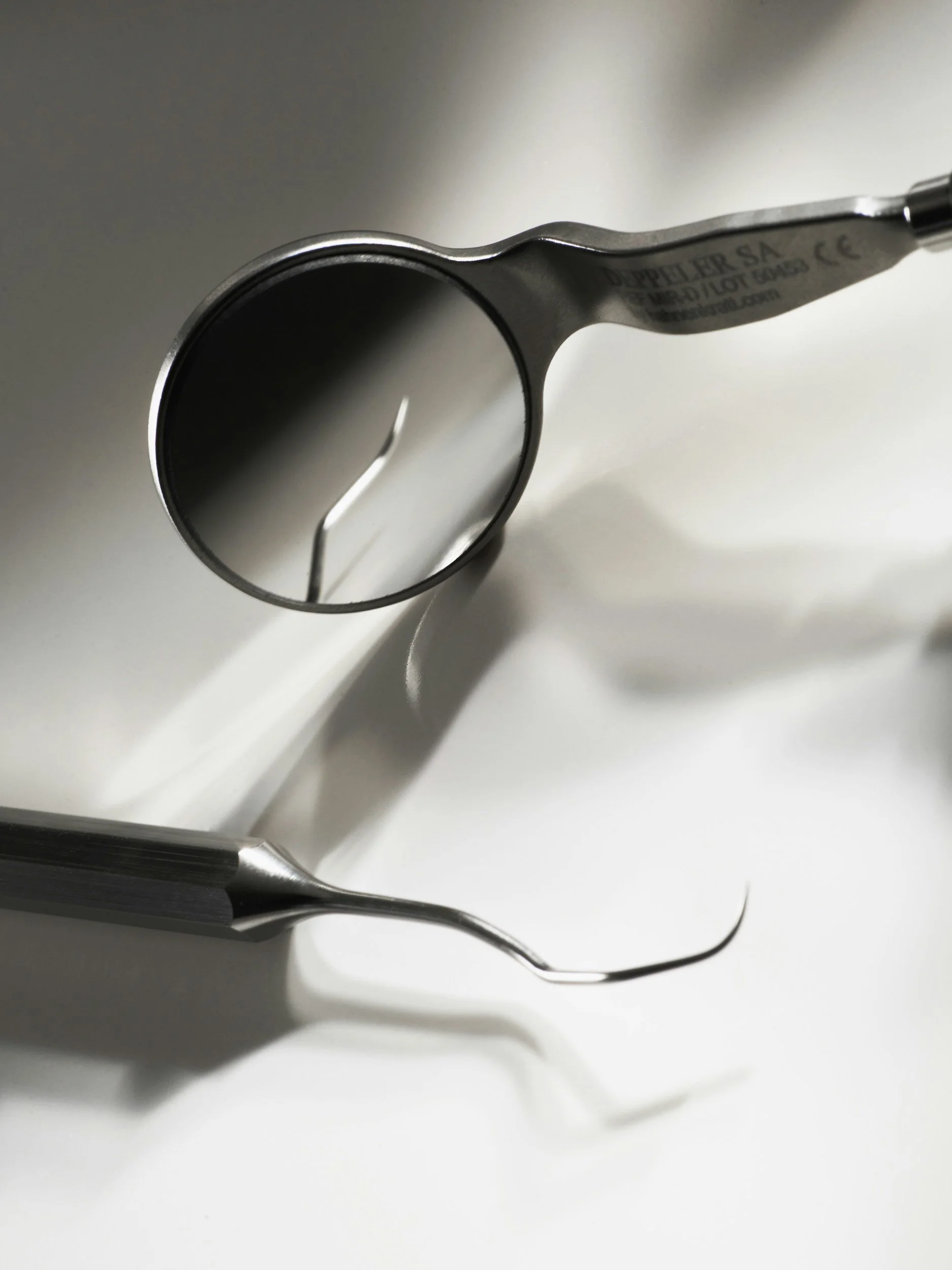
Dental Cleaning & Polishing
Frequently Asked Questions
-
If you notice bad breath, red gums, or tartar on your pet’s teeth, we recommend scheduling a dental cleaning with us today. Dental disease not only causes our pet’s mouth pain and bad breath, but can also lead to more serious conditions like heart or kidney disease. During a visit with our veterinarians, we can discuss the risks of anesthesia as well as the benefits of a dental cleaning with your pet.
-
Common signs include bad breath, tartar buildup, red or bleeding gums, difficulty chewing, dropping food, pawing at the mouth, excessive drooling, loose teeth, facial swelling, and decreased appetite.
-
When your pet arrives for a dental cleaning, they are first examined by a veterinarian and any pre-anesthetic bloodwork is performed. If your pet is determined to be healthy enough for anesthesia, they are anesthetized using a combination of injectable and gas medications. They are closely monitored with advanced anesthetic monitoring during the procedure. The vet examines the patient’s mouth and teeth, and the teeth are scaled and polished. Any infected or loose teeth are noted and a consultation with the owner occurs before any extractions are performed. Your pet is closely monitored during recovery and goes home at the end of the day!
-
Bloodwork in our pets can be a valuable tool to diagnose illness, as well as monitor health. Bloodwork evaluates any possible inflammation/infection, kidney or liver issues, blood sugar and electrolytes, proteins and many other specific markers of health in our pets. CONTACT us today to discuss bloodwork options for your dog or cat.
-
No. While many pet owners assume bad breath is normal, persistent bad breath is often one of the earliest signs of dental disease, oral infection, or periodontal disease.
-
Your pet's teeth and gums should be evaluated during every wellness examination. Regular dental assessments allow your veterinarian to identify problems early and recommend appropriate treatment.
-
Home dental care may include daily tooth brushing, veterinary-approved dental chews, dental diets, water additives, and other oral health products. Regular home care can help slow the progression of dental disease between professional cleanings.
-
Small-breed dogs often develop dental disease earlier and more severely than larger dogs. However, dental disease can affect pets of any breed, age, or size.
-
Our dental cleaning fee is $250, which covers scaling, polishing, probing, and charting. Extractions, dental radiographs, and anesthesia/medications are additional depending on what your pet needs. Because so much dental disease hides below the gumline, we recommend full-mouth radiographs for most patients — we're happy to walk through expected costs at your pet's appointment.