
Spay & Neuter Surgery in Boerne, TX
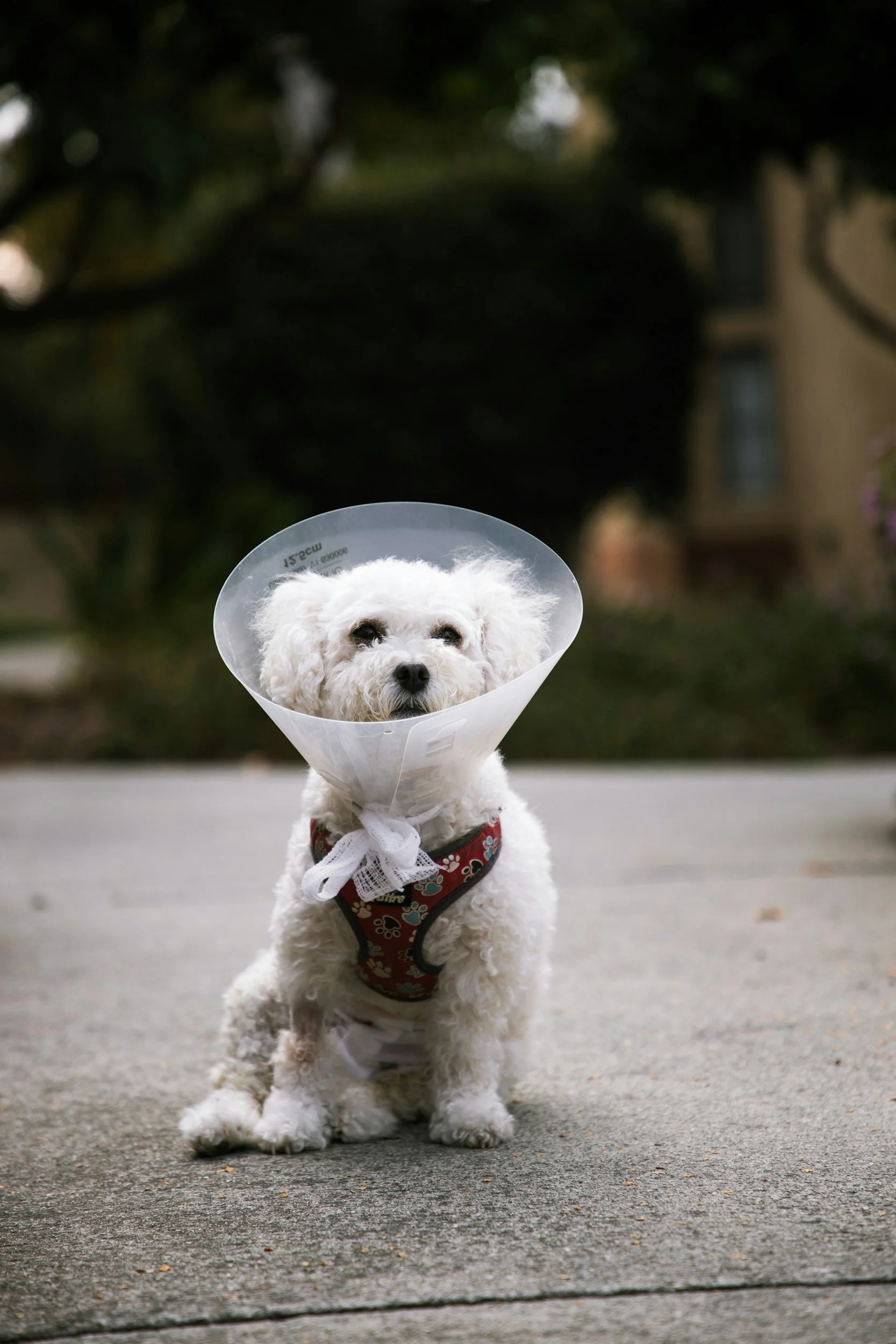
Pet sterilization is important not only for preventing unplanned pregnancy, but for the prevention of certain diseases such as pyometra, mammary cancer, testicular cancer, prostate cancer, anal gland tumors, and hernias. If you are not intending to breed your pet, we can guide you on the proper age and timing of your pet’s procedure based on scientific research and individualized patient planning. Schedule your pet’s spay or neuter surgery in Boerne today.
Frequently Asked Questions
-
Spaying is a surgical procedure performed on female pets to remove the reproductive organs and prevent pregnancy. Neutering is a surgical procedure performed on male pets to prevent reproduction. Both procedures are commonly performed in veterinary medicine and provide important health and behavioral benefits.
-
Dogs and cats generally should not be anesthetized before 6 months or age due to higher risks of anesthesia. Timing of spaying or neutering depends on a variety of risk factors such as pregnancy, certain cancers, or arthritis. We generally recommend scheduling your pet’s spay or neuter between 6 months to 1 year of age. CONTACT us today to consult with our veterinarians about your specific pet’s needs.
-
Spaying eliminates the risk of unwanted pregnancy and significantly reduces the risk of certain reproductive diseases. It also eliminates heat cycles and can help prevent potentially life-threatening uterine infections.
-
Neutering prevents reproduction and may reduce certain hormone-driven behaviors. It can also decrease the risk of some reproductive diseases and health conditions such as prostate cancer.
-
Spay and neuter procedures are among the most commonly performed surgeries in veterinary medicine. Prior to surgery, your pet will receive a physical examination, and anesthesia is carefully monitored throughout the procedure to maximize safety.
-
Bloodwork in our pets can be a valuable tool to diagnose illness, as well as monitor health. Bloodwork evaluates any possible inflammation/infection, kidney or liver issues, blood sugar and electrolytes, proteins and many other specific markers of health in our pets. CONTACT us today to discuss bloodwork options for your dog or cat.
-
Yes. Pain management is an important part of modern veterinary medicine. We use a multimodal approach to help keep pets comfortable during and after surgery.
-
Most pets recover well within 10 to 14 days. During recovery, activity should be restricted, and owners should monitor the incision site for signs of swelling, redness, or discharge.
-
The procedure itself does not cause obesity. However, metabolism and calorie requirements may change after surgery. Proper nutrition, portion control, and regular exercise help maintain a healthy weight.
-
Pricing varies by pet size, age, and health status. Dog spays typically range from $225–$350, and dog neuters from $180–$250, plus medications and anesthesia. Cat spays and neuters are generally more affordable, starting around $175 and $120 respectively, plus medications and anesthesia. CONTACT us for a personalized quote for your pet.