
Internal Medicine for Dogs & Cats in Boerne, TX

Our doctors have the training to diagnose, treat, and manage a variety of complex medical diseases in dogs and cats. Between a comprehensive in-house diagnostic lab and external resources for more specialized testing and consultations, your Boerne pet is in good hands at Highview Veterinary Hospital.
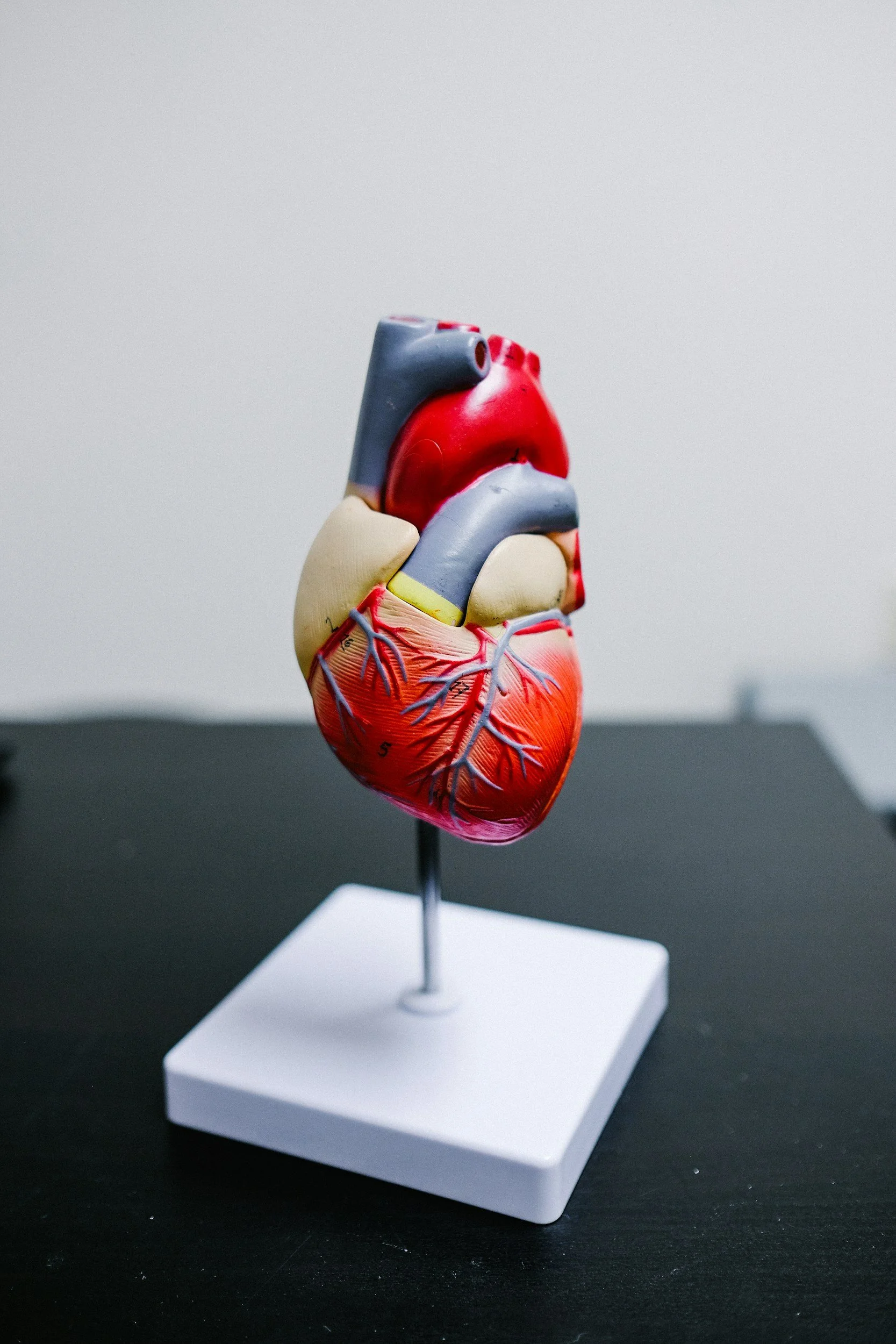
Diseases of the heart can present in ways that we don’t always expect. It can be as simple as your pet not wanting to walk as far as they used to or developing a slight cough that seems innocent. Many breeds are predisposed to heart disease and this is something that your vet should be watching for so it can be caught and treated early. We offer EKG, echocardiogram, and blood testing to evaluate heart health as well as breed-specific recommendations to provide early intervention.
Cardiology
The complexities of the neurologic system require thoughtful investigation and monitoring. We manage a variety of disorders relating to the brain, spinal cord, and nerves and we work closely with specialty hospitals that offer advanced imaging and testing such as MRI, CT, and evaluation of the spinal fluid. Seizures in pets can be scary - our vets treat each patient and case on an individual basis to manage seizures with the goal of decreasing the frequency, severity, and duration when they occur.

Neurology
Pet Cancer Screening & Therapy
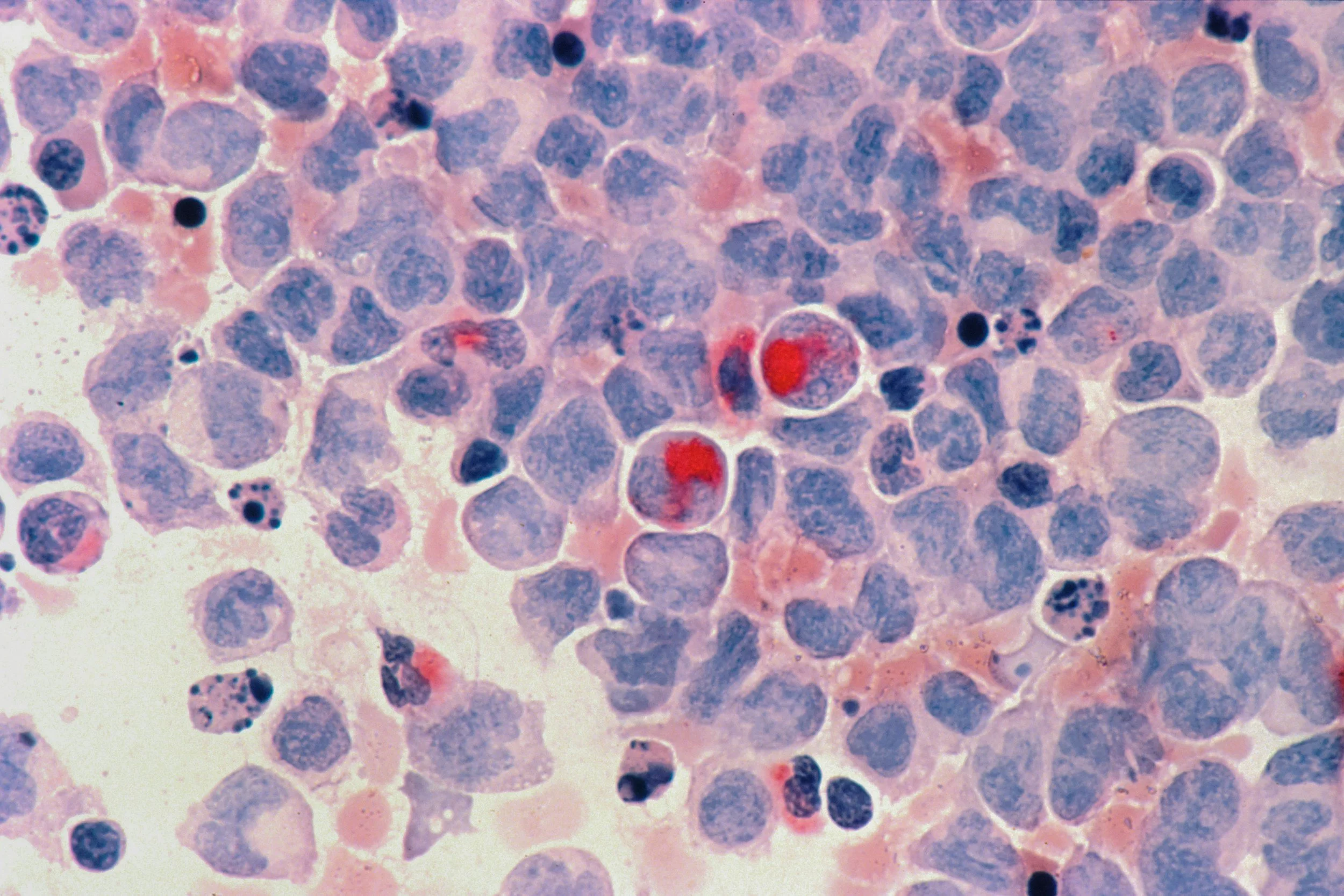
Our pets live in a time where many cancers can be diagnosed early through routine physical examination, blood testing, and imaging to give them the longest and most enjoyable life possible.
Endocrine & Metabolic Diseases
We are equipped to manage diseases such as Cushing’s, Diabetes, low or high thyroid hormone disorders, liver or kidney disease, urinary tract diseases, and much more.

Weight Management
Some pets suffer from obesity despite our best efforts to help them lose weight. We can guide you on the lifestyle changes or investigation into underlying diseases that are necessary to help them shed the pounds and get back to doing what they love the best.
Frequently Asked Questions
-
Unexplained weight loss can be associated with diabetes, cancer, kidney disease, thyroid disorders, gastrointestinal disease, heart disease, or other medical conditions. Diagnostic testing can help identify the underlying cause.
-
Yes. Obesity increases the risk of arthritis, diabetes, heart disease, respiratory problems, decreased mobility, and a reduced lifespan. Maintaining a healthy weight is one of the most important aspects of preventive healthcare.
-
Yes. We develop individualized weight management programs that may include dietary recommendations, calorie calculations, exercise guidance, regular monitoring, and ongoing support to help pets safely achieve a healthier weight.
-
Common signs include coughing, difficulty breathing, exercise intolerance, weakness, fainting episodes, increased respiratory effort, and decreased activity. Some pets with heart disease may show few symptoms during the early stages.
-
Coughing can be caused by heart disease, respiratory infections, tracheal disease, allergies, heartworm disease, chronic bronchitis, or other medical conditions. A veterinary examination is needed to determine the cause.
-
Neurological conditions may cause seizures, tremors, weakness, balance problems, head tilt, abnormal eye movements, paralysis, behavioral changes, or difficulty walking.
-
If your pet experiences a seizure, keep them safe from injury and contact your veterinarian. Do not try to put anything in or near their mouth. Seizures can have many causes, including epilepsy, metabolic disease, toxin exposure, brain disease, and other medical conditions.
-
Diabetes mellitus is a disease that affects the body's ability to regulate blood sugar. Common signs include increased thirst, increased urination, weight loss, and changes in appetite.
-
Cushing's disease occurs when the body produces excessive amounts of cortisol. Common signs include increased thirst, increased urination, increased appetite, hair loss, panting, and a pot-bellied appearance.
-
Many forms of cancer can be treated or managed through surgery, medications, supportive care, nutritional management, and other therapies. Treatment recommendations depend on the type, location, and stage of cancer.
-
Potential signs include unexplained weight loss, decreased appetite, persistent lumps or masses, difficulty breathing, chronic vomiting or diarrhea, non-healing wounds, abnormal bleeding, or changes in behavior.
-
Not always. Many internal medicine conditions can be diagnosed and managed right here at our Boerne hospital. For more advanced needs like MRI, CT, or spinal fluid analysis, we work closely with specialty hospitals to coordinate your pet's care.