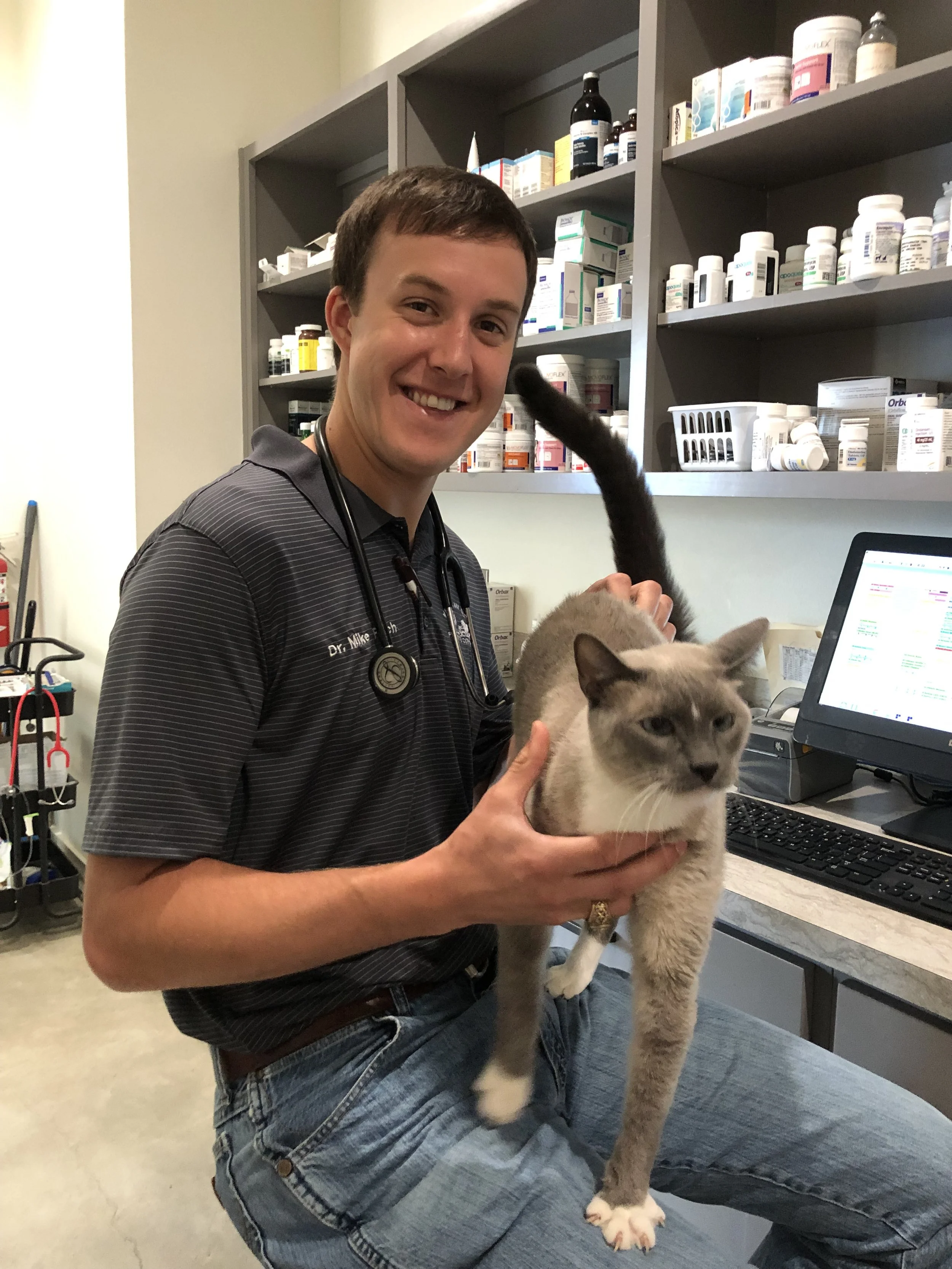
By Dr. Mike Rauch, Owner and Veterinarian, Highview Veterinary Hospital
Whenever a client calls, stops by, or texts me about their dog’s behavior, the cause so often comes down to one thing: anxiety. Aggression and other behavior problems certainly exist, but anxiety in dogs is incredibly common. I see it in farm dogs and indoor dogs, big breeds and small breeds, working dogs and lap dogs.
Anxiety is more than a dog being energetic or a little nervous. It is a true medical condition that deserves dedicated, intentional treatment. The good news is that there are effective ways to manage it, and in my patients the best results come from combining several approaches.
What Causes Anxiety in Dogs?
Dog anxiety can affect any dog of any age, breed, or background. It may be situational, such as during vet visits, grooming appointments, boarding, car rides, or travel. It can also be a persistent, daily anxiety that affects your dog’s quality of life.
Signs of Anxiety in Dogs
Anxiety can show up as behavioral, physical, or emotional symptoms.
Behavioral signs:
Pacing or hiding
Excessive barking or whining
Destructive behavior
Clinginess or attempts to escape
Urinating or defecating in the house
Physical signs:
Panting, trembling, or drooling
Shedding more than usual
Wide, dilated pupils
Vomiting or diarrhea
Emotional signs:
Hypervigilance or inability to settle
Fearfulness
Avoiding certain triggers
Excessive startling
Common Types of Dog Anxiety
Separation anxiety: distress when left home alone.
Noise phobias: fear of fireworks, thunderstorms, or gunshots. Here in Texas, we see this every Fourth of July and throughout hunting season, especially for dogs living in the country.
Generalized anxiety: persistent anxiety with no obvious trigger.
Social anxiety: fear of new people, new dogs, or new environments.
Fear-based anxiety: often tied to a specific negative experience or past trauma, which we commonly see in shelter and rescue dogs.
Age-related anxiety: as dogs get older, canine cognitive dysfunction (“doggy dementia”) can bring on anxiety.
The 3 Pillars of Dog Anxiety Treatment
I split treatment into three categories: supplements, medications, and behavior modification and training. Most dogs do best with a combination.
1. Supplements and Natural Calming Aids
Supplements generally have few side effects and carry little risk. They are most effective for mild anxiety, and they usually work best alongside other treatments. For moderate to severe anxiety, they typically aren’t enough on their own.
Options I often recommend:
Probiotics for calming: My personal favorite is Purina Pro Plan Calming Care, which contains Bifidobacterium longum. New research points to a gut-brain connection that promotes calm behavior, plus you get the usual gut-health benefits. It usually takes a few weeks to see an effect, so I suggest starting with a month’s supply.
Milk protein derivatives: Zylkene (alpha-casozepine) promotes relaxation without traditional sedative effects.
CBD: Interest in CBD is growing, and current research suggests it is relatively safe with minimal side effects. Use only a dog-specific product with no THC, which is toxic to pets, and talk to your veterinarian first.
Pheromone products: Adaptil collars, diffusers, and sprays aim to create a calming, reassuring environment.
Other options: L-tryptophan (a serotonin precursor) and melatonin. Results vary from dog to dog.
2. Prescription Medications for Dog Anxiety
Prescription medications are often underutilized in dogs, especially for moderate to severe anxiety. When anxiety affects daily life or your relationship with your dog, medication is a reasonable option to consider.
For daily, ongoing anxiety:
Fluoxetine (Prozac, Reconcile): My first go-to. It’s an SSRI that is especially helpful for separation anxiety and is safe for long-term use. My own dog has taken it daily for many years with minimal side effects.
Sertraline (Zoloft): A similar SSRI that may help dogs who don’t respond well to fluoxetine.
Buspirone: Can be useful for social anxiety around other dogs or people.
Clomipramine (Clomicalm): A tricyclic antidepressant that is also effective for separation anxiety.
These medications are not sedatives. They take about 2 to 4 weeks to show effects, so I ask owners to commit to at least a one-month trial before deciding whether they’re working.
For situational anxiety (vet visits, storms, car rides, grooming, boarding):
Trazodone: An anti-anxiety medication with mild sedative effects.
Gabapentin: Often used for nerve pain, but it also has mild sedative and anti-anxiety effects. In my experience, trazodone and gabapentin together work very well for vet visits.
Alprazolam (Xanax): Stronger, and can help with panic, noise phobias, or severe situational anxiety.
Dexmedetomidine oral gel (Sileo): Helpful for fireworks and thunderstorms. It requires more careful use and some trial and error to find the right dose.
Many owners tell me, “I don’t want to just drug him up, doc.” I understand. But short-term medications are meant for short-term situations, and the long-term options like fluoxetine and sertraline are safe for ongoing use. You aren’t drugging your dog. You’re treating a medical condition. Choosing medication isn’t admitting defeat or that you failed to train your dog. It’s appropriate medical care, just like antibiotics for an infection.
Side effects and safety: Possible side effects include sedation, loose stools or diarrhea, and appetite changes. Rarely, a dog may have paradoxical hyperexcitability and become more excited. If your dog seems worse, tell your vet right away. Most of these medications should be tapered rather than stopped suddenly, and regular follow-ups help us adjust treatment as needed. Some are FDA-approved and others are used off-label, which is why you should always work with your veterinarian.
3. Behavior Modification and Training
This pillar is often the most important, and sometimes the hardest for busy owners to find time for. Every dog is different, so what works for one may not work for another.
Positive reinforcement: Reward calm, relaxed behavior with treats, praise, toys, or play. Avoid punishment, yelling, shock collars, and other aversive methods. They can increase fear and anxiety and do more harm than good.
Desensitization: Gradually expose your dog to the trigger at a low intensity in a controlled setting, with plenty of rewards. For example:
Other pets: Introduce them from a distance in a neutral location.
Thunderstorms: Play storm sounds at a low volume while giving treats.
Separation anxiety: Build up alone time from 2 minutes to 5, 10, and then 30 minutes.
Car rides: Start with treats in a parked car, then a lap around the block, then longer trips.
Enrichment: Puzzle feeders, snuffle mats, Kong toys, lick mats, scent games, and hiding treats around the house all give your dog mental stimulation.
Exercise: Long walks, fetch, swimming, hiking, and structured play help. Letting your dog sniff and explore on walks is great for them.
Professional help: Some dogs need a certified trainer or a board-certified veterinary behaviorist. If you live in the Boerne area, reach out to us. We have local recommendations.
Other Helpful Tools
Prescription calming diets, pressure garments like ThunderShirts (especially for noise anxiety), pet sitters, and doggy daycare can also help some dogs.
What’s the Best Treatment for Dog Anxiety?
It depends on the type and severity of the anxiety, how often it occurs, your dog’s age, health, and environment, and what has worked in the past. Every dog is different and needs an individualized plan.
When Should I Take My Dog to the Vet for Anxiety?
Schedule a visit if your dog’s anxiety interferes with daily life, for your dog or for you. It’s also time to call if:
Your dog is hurting themselves
Destructive behavior is escalating
Dogs in your home are fighting or injuring each other
Treating dog anxiety benefits the dog and the family, and that’s a big part of why I became a veterinarian.
Ready to Help Your Anxious Dog?
If your dog is struggling with anxiety, we’re here to help. Call Highview Veterinary Hospital at (830) 470-8414 to schedule an appointment and build a personalized treatment plan.