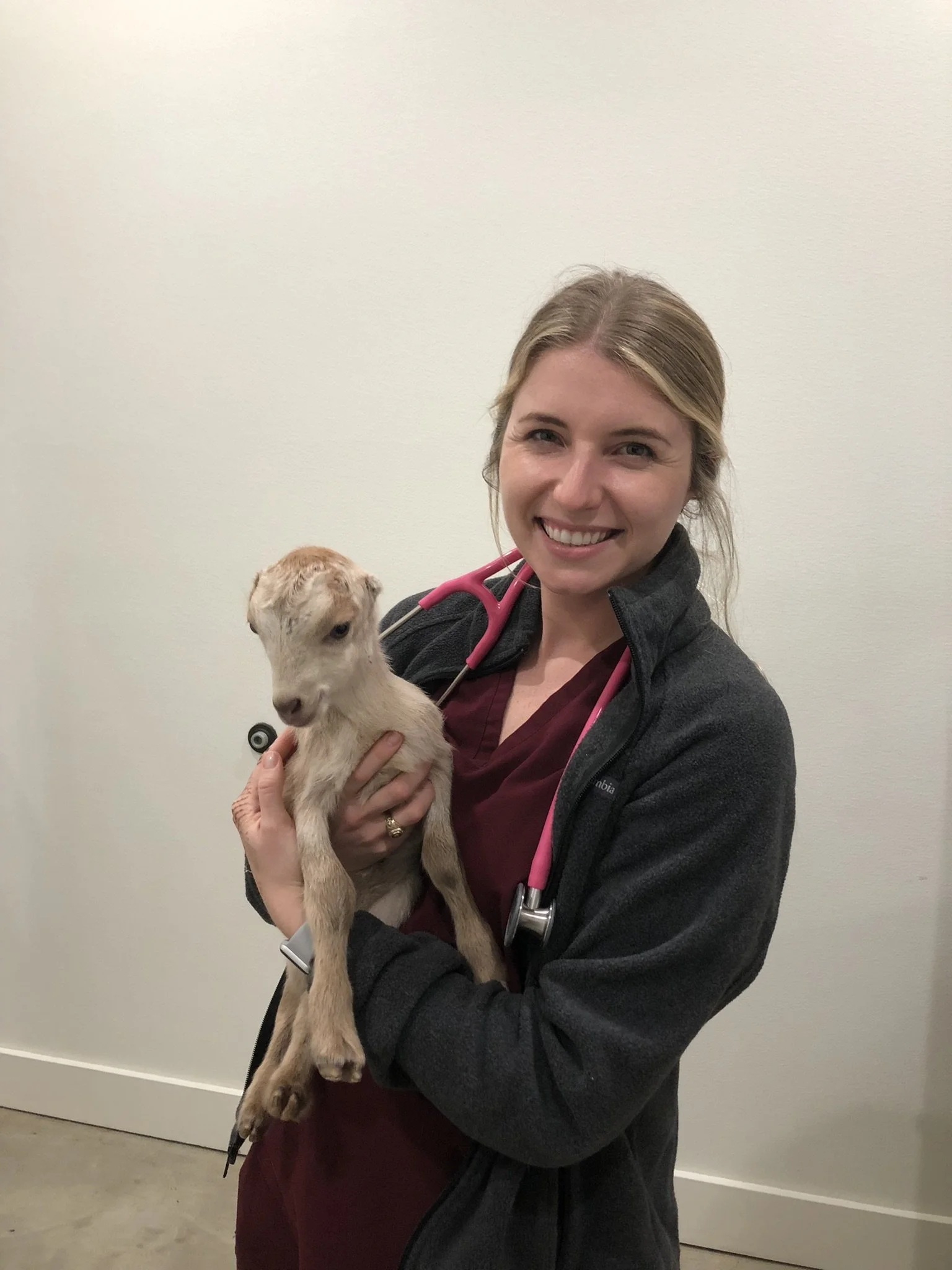
By Dr. Amelia Rauch, Owner and Veterinarian, Highview Veterinary Hospital
Have you noticed your cat spending more time at the water bowl lately? Maybe you're refilling their water fountain more frequently, noticing larger clumps in the litter box, or even catching them getting up in the middle of the night for a drink.
If so, you're right to pay attention.
One of the more common concerns I hear from cat owners in veterinary practice is, "Why is my cat drinking so much water?" While increased thirst might seem like a relatively minor change, it can actually be one of the earliest signs of an underlying medical condition.
Cats are naturally not big water drinkers, particularly those eating canned food. Because of this, changes in their drinking habits can sometimes be easier to recognize. In my experience, three of the most common medical conditions I diagnose in cats with increased thirst are chronic kidney disease, diabetes mellitus, and hyperthyroidism.
The good news is that all three conditions have treatment or management options. However, early diagnosis is important for maintaining your cat's health and quality of life.
Let's look at what might be causing your cat to drink more water, what other symptoms to watch for, and when it's time to schedule a veterinary appointment.
How Much Water Should a Cat Drink Per Day?
As a general guideline, most cats require approximately 40–60 milliliters (mL) of water per kilogram of body weight per day.
For an average 10-pound cat, that's roughly 180–270 mL (about 6–9 ounces) of total water daily. However, this includes water obtained from food, not just what your cat drinks from their bowl.
Diet makes a significant difference:
Cats eating dry food: Typically drink more water directly because kibble contains very little moisture.
Cats eating canned food: Often drink considerably less from their water bowl because canned food contains substantially more moisture.
Cats eating a combination of wet and dry food: Their drinking habits will generally fall somewhere in between.
These are general estimates, and individual water requirements vary.
If you're concerned about how much your cat is drinking, try monitoring how frequently you refill their water bowl or fountain. You can also pay attention to whether they're visiting the water source more frequently than usual.
It's equally important to monitor their litter box habits. Are you noticing larger urine clumps, more frequent urination, or a litter box that seems to need cleaning more often?
The medical term for increased thirst is polydipsia, while increased urination is called polyuria. These two symptoms frequently occur together, but they don't always. Keeping track of both can provide your veterinarian with valuable information.
3 Common Reasons Your Cat May Be Drinking More Water
In my experience, the three conditions I most frequently investigate in cats with increased thirst are chronic kidney disease, diabetes mellitus, and hyperthyroidism.
Although all three can cause increased drinking and urination, each affects the body differently and has its own diagnostic and treatment considerations.
1. Chronic Kidney Disease (CKD)
Chronic kidney disease is one of the most common medical conditions I encounter in older cats.
The kidneys have several important jobs, including filtering waste products from the bloodstream, regulating electrolytes, and maintaining the body's water balance.
As cats age, their kidneys can gradually lose their ability to function properly. When this happens, they become less effective at concentrating urine. Instead of conserving water, the kidneys produce larger amounts of dilute urine.
As your cat loses more water through urination, they naturally become thirstier to compensate.
Other signs of chronic kidney disease in cats include:
Increased urination
Weight loss
Decreased appetite
Nausea or vomiting
Poor coat condition
Lethargy or decreased activity
Bad breath, particularly in more advanced cases
One challenge with chronic kidney disease is that cats can compensate for declining kidney function for quite some time. They may appear relatively normal until the disease has progressed.
How is chronic kidney disease diagnosed?
Bloodwork is typically the first step. We evaluate kidney-related values such as blood urea nitrogen (BUN), creatinine, and SDMA (symmetric dimethylarginine).
We may also recommend a urinalysis to evaluate urine concentration, check for protein in the urine, and look for other abnormalities. Depending on the results, additional testing may be appropriate.
Can chronic kidney disease be treated?
Unfortunately, chronic kidney disease cannot typically be cured in cats. However, it can often be managed successfully, and early intervention can make a meaningful difference in quality of life.
Treatment may include:
Prescription kidney-support diets
Encouraging adequate hydration
Managing high blood pressure
Monitoring and addressing protein loss through the kidneys
Medications to control nausea and vomiting
Appetite stimulants when needed
Additional supportive treatments depending on disease severity
The goal is to slow disease progression, manage complications, and help your cat maintain a good quality of life for as long as possible.
2. Diabetes Mellitus
Another common cause of increased thirst in cats is diabetes mellitus.
Similar to people, cats with diabetes have difficulty regulating their blood glucose (blood sugar). This most commonly happens because the body either doesn't produce enough insulin or cannot effectively use the insulin it produces.
Insulin is a hormone made by the pancreas that allows glucose to move from the bloodstream into the body's cells, where it can be used for energy.
When insulin isn't working properly, blood glucose levels become elevated. Once blood sugar rises high enough, glucose spills into the urine and pulls additional water along with it.
This results in increased urination and, consequently, increased thirst.
One distinguishing feature of diabetes is that affected cats often have an increased appetite despite losing weight.
Other signs of diabetes in cats include:
Increased thirst and urination
Weight loss despite eating more
Increased appetite
Lethargy
Poor coat condition
Weakness, particularly in the hind legs
In more advanced cases, some diabetic cats develop a condition called diabetic neuropathy, which can cause weakness and an abnormal, flattened appearance to their hind-leg posture.
Which cats are more likely to develop diabetes?
Diabetes is particularly common in middle-aged and older cats. Overweight and obese cats, especially those with relatively inactive indoor lifestyles, are at increased risk.
Maintaining a healthy body weight and encouraging regular activity can help reduce the risk.
How is diabetes diagnosed?
Diagnosis typically starts with bloodwork to evaluate blood glucose levels. We may also recommend a urinalysis to look for glucose and ketones in the urine.
Because stress can temporarily elevate blood sugar in cats, we sometimes use an additional blood test called fructosamine. This helps us evaluate average blood glucose levels over a longer period and distinguish persistent elevations from temporary stress-related changes.
Can cats with diabetes live normal lives?
Absolutely! Diabetes is a manageable condition, and many cats continue to enjoy a very good quality of life after diagnosis.
Treatment most commonly involves insulin injections administered at home, typically twice daily. We also make dietary adjustments and work toward maintaining a healthy body weight.
One reason I emphasize early diagnosis is that untreated diabetes can progress to a serious, potentially life-threatening complication called diabetic ketoacidosis (DKA).
If your cat is drinking more, urinating frequently, and losing weight despite eating normally or even more than usual, I recommend scheduling a veterinary examination promptly.
3. Hyperthyroidism
The third condition I commonly investigate in older cats with increased thirst is hyperthyroidism.
Hyperthyroidism occurs when the thyroid glands produce excessive amounts of thyroid hormone. In most cats, this is caused by a benign enlargement or growth of thyroid tissue.
The thyroid glands are located in the neck and produce hormones that help regulate metabolism. When too much thyroid hormone is circulating in the bloodstream, your cat's metabolism essentially goes into overdrive.
This increased metabolic activity affects multiple body systems and can lead to increased thirst and urination.
Other signs of hyperthyroidism in cats include:
Weight loss despite an increased appetite
Increased activity or restlessness
Excessive vocalization
Vomiting or diarrhea
Increased heart rate
Poor coat condition
Increased thirst and urination
Interestingly, some cats become unusually restless or vocal as their thyroid hormone levels increase. Owners may notice their cat pacing around the house, waking them up at night, or seeming unusually hungry.
In more advanced cases, however, cats may actually develop a decreased appetite and become lethargic.
How is hyperthyroidism diagnosed?
Hyperthyroidism is generally diagnosed with bloodwork measuring thyroid hormone levels, particularly total T4.
Sometimes, particularly in more advanced cases, we can even feel an enlarged thyroid gland during a physical examination of the neck.
If initial results are inconclusive but clinical suspicion remains high, additional thyroid testing may be recommended.
Can hyperthyroidism be treated?
Yes! Hyperthyroidism is generally very treatable.
The most common initial treatment is a medication called methimazole, which decreases thyroid hormone production. It can be administered orally or as a transdermal medication applied to the inside of the ear.
Other treatment options include radioactive iodine therapy and, in select cases, surgical removal of the affected thyroid tissue.
Many of the cats I diagnose respond very well to medical management.
However, early diagnosis is particularly important because excessive thyroid hormone can negatively affect the heart, blood pressure, and kidneys. Managing hyperthyroidism can help prevent or minimize complications involving these other organ systems.
Other Possible Causes of Increased Thirst in Cats
Although chronic kidney disease, diabetes, and hyperthyroidism are three of the most common conditions I investigate, they aren't the only possible explanations.
Other potential causes of increased thirst include:
Liver disease
Electrolyte imbalances
Certain hormonal disorders
Urinary tract conditions
Side effects of certain medications
This is why it's important not to assume that increased thirst automatically means your cat has kidney disease or another specific condition.
A proper diagnosis requires looking at the whole picture, including your cat's medical history, physical examination, and diagnostic testing.
How Will My Veterinarian Determine Why My Cat Is Drinking So Much Water?
When a cat comes into my practice with increased thirst, I start with a thorough physical examination and a discussion about what the owner has been noticing at home.
Some of the questions I may ask include:
When did you first notice your cat drinking more water?
Has their appetite increased or decreased?
Have you noticed any weight loss?
Are you seeing larger urine clumps in the litter box?
Has their activity level or behavior changed?
What type of food are they eating?
Have there been any recent changes in their environment or medications?
These details help us narrow down potential causes.
In many cases, the next step is comprehensive bloodwork. A routine blood panel can provide valuable information about kidney function and blood glucose levels. We can also include thyroid testing, particularly in middle-aged and senior cats.
Depending on the findings, we may recommend additional testing, such as:
Urinalysis: Evaluates urine concentration, glucose, protein, and other abnormalities.
Fructosamine: Helps evaluate longer-term blood glucose levels when diabetes is suspected.
SDMA: Helps identify changes in kidney function.
Total T4: Measures thyroid hormone levels.
Blood pressure measurement: Particularly important in cats with kidney disease or hyperthyroidism.
No single test tells us everything, and sometimes initial results are inconclusive. However, combining a thorough physical examination with appropriate diagnostic testing gives us the best opportunity to identify the underlying problem.
When Should I Take My Cat to the Veterinarian for Increased Thirst?
My recommendation is simple: If you consistently notice that your cat is drinking more water than usual, it's worth scheduling a veterinary examination.
You don't need to wait until other symptoms develop.
In fact, increased thirst may be one of the earliest noticeable signs of kidney disease, diabetes, or hyperthyroidism. Identifying these conditions before they progress can give us more treatment options and help preserve your cat's quality of life.
You should be particularly attentive if increased thirst is accompanied by:
Unexplained weight loss
Increased urination
Changes in appetite
Vomiting or diarrhea
Changes in activity or behavior
Poor coat condition
Some symptoms warrant more immediate attention. If your cat stops eating, becomes severely lethargic or weak, experiences repeated vomiting, or appears significantly dehydrated, they should be evaluated by a veterinarian as soon as possible. These can be signs of a serious medical condition requiring urgent treatment.
Helping Your Cat Stay Healthy at Highview Veterinary Hospital
As a veterinarian, one of the things I emphasize most with cat owners is the importance of recognizing subtle changes in behavior.
Cats are particularly good at hiding signs of illness. Sometimes, the only thing an owner notices is that the water bowl seems to be emptying faster than usual.
That small observation can be an important clue.
Chronic kidney disease, diabetes, and hyperthyroidism are all conditions we commonly diagnose in cats, particularly as they get older. While they each require different approaches to treatment, early diagnosis gives us the best opportunity to manage these conditions and maintain a good quality of life.
At Highview Veterinary Hospital in Boerne, TX, we offer comprehensive veterinary examinations and diagnostic testing to help identify the cause of changes in your cat's health. Our goal is to provide clear answers, explain your treatment options, and develop an individualized care plan for your pet.
If you've noticed your cat drinking more water, urinating more frequently, or experiencing unexplained weight changes, we'd love to help.
Contact Highview Veterinary Hospital to schedule an appointment. We're proud to provide personalized, compassionate veterinary care for cats and dogs in Boerne and the surrounding communities.