Pet Insurance for Dogs & Cats: Is It Worth It? A Veterinarian’s Perspective
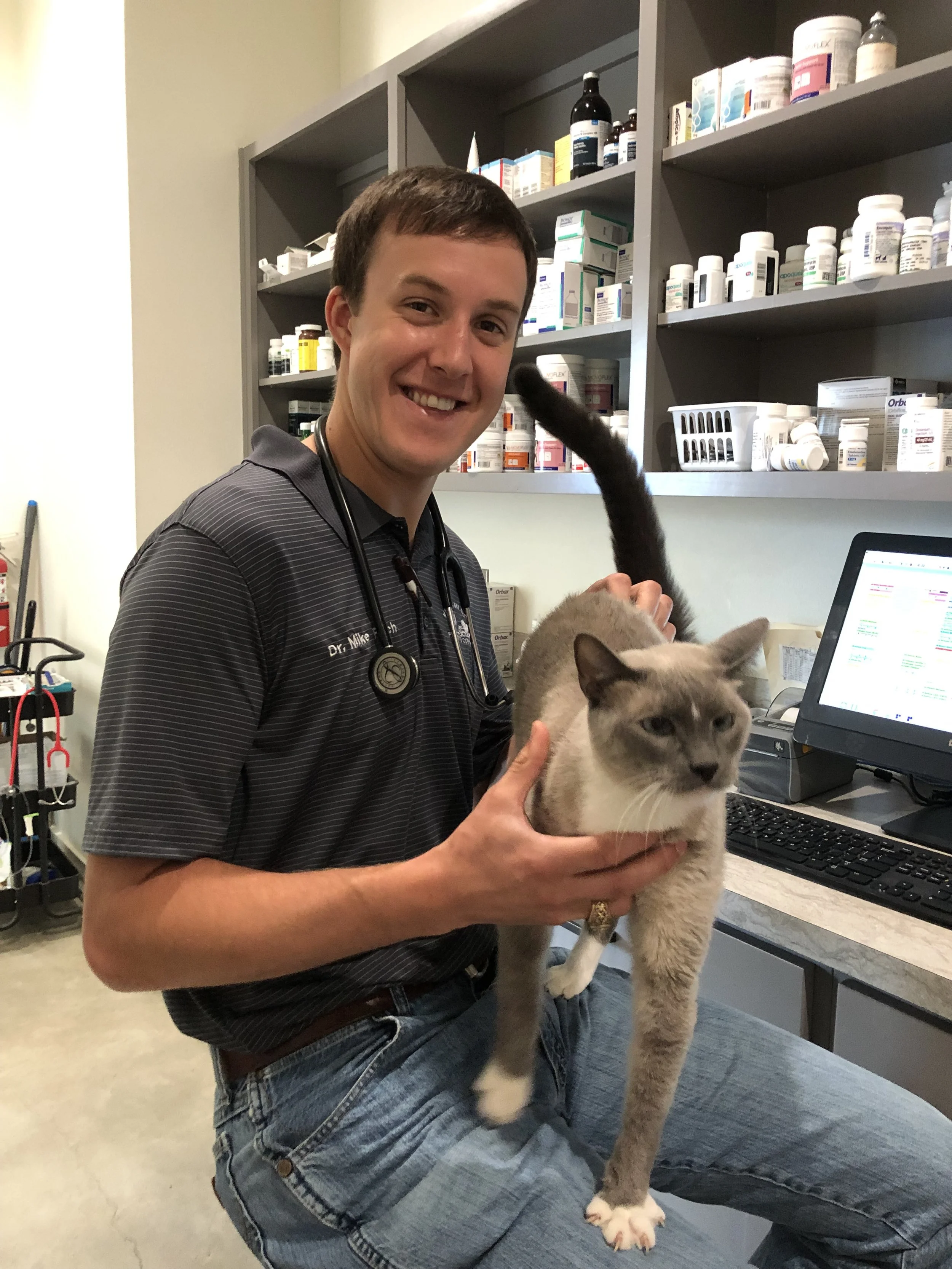
By Dr. Mike Rauch, Owner and Veterinarian, Highview Veterinary Hospital
If there's one conversation I wish I had less often as a veterinarian, it's the conversation where a pet owner has to choose between their finances and the care their pet needs.
Throughout my career in general practice, urgent care, emergency medicine, and high-volume surgery, I've cared for thousands of pets. I've seen dogs that swallowed toys and needed emergency surgery, cats diagnosed with cancer, puppies with broken legs, senior dogs requiring advanced diagnostics, and countless other situations where a family was faced with an unexpected veterinary bill.
Those conversations are some of the most difficult parts of veterinary medicine—not because the treatments aren't available, but because financial limitations can sometimes influence medical decisions.
That's why I believe pet insurance is one of the best investments many pet owners can make.
Most people think about pet insurance as a financial tool, but I think its greatest benefit is actually emotional. When your dog or cat is seriously ill, your focus should be on helping them recover—not worrying about how you're going to pay for treatment.
The Emotional Value of Pet Insurance
No one plans for their pet to become sick or injured.
A routine afternoon can suddenly become an emergency when your Labrador eats a sock, your Border Collie tears a cruciate ligament chasing a ball, or your cat develops a urinary blockage overnight.
Those situations are already stressful.
Pet insurance can't prevent illness or injury, but it can remove one major source of anxiety: financial uncertainty.
When families have insurance, our conversations often shift from "What can we afford?" to "What's the best treatment for my pet?"
As a veterinarian, that's exactly where I want the discussion to begin.
What Is Pet Insurance?
Pet insurance is a health insurance policy for your dog or cat that helps cover eligible veterinary expenses after an accident or illness.
Most policies involve:
A monthly premium
An annual deductible
A reimbursement percentage (often 70–90%)
Annual or lifetime coverage limits
Unlike human health insurance, most pet insurance plans are reimbursement-based.
That means you typically pay your veterinarian at the time of your visit, submit a claim to your insurance company, and then receive reimbursement according to your policy.
Some companies now offer direct payment options at participating hospitals, but reimbursement remains the most common model.
What Does Pet Insurance Usually Cover?
Coverage varies by provider and policy, but many accident and illness plans help pay for:
Emergency veterinary visits
Hospitalization
Soft tissue surgery
Broken bones
Foreign body removal
Cancer diagnosis and treatment
Chemotherapy
Radiation therapy
Prescription medications
Diagnostic blood work
Ultrasound
CT scans
MRI
Specialist referrals
Chronic disease management
One of the most common emergencies I treat is an intestinal foreign body.
A young dog swallows a toy, sock, corn cob, or another object that becomes lodged in the intestines. Surgery is often the only treatment option.
These procedures can be lifesaving, but they're also expensive.
When a patient has pet insurance, owners can focus on their dog's recovery instead of worrying about the financial burden.
What Doesn't Pet Insurance Usually Cover?
Understanding what isn't covered is just as important as understanding what is.
Most insurance companies exclude:
Pre-existing conditions
Cosmetic procedures
Routine grooming
Breeding-related expenses
Elective reproductive procedures
Preventive care (unless wellness coverage is added)
The most important exclusion is pre-existing conditions.
I frequently meet owners whose young dog suddenly tears a cranial cruciate ligament (CCL). After learning surgery is needed, they decide they want to purchase pet insurance.
Unfortunately, by the time the injury has been diagnosed, it has already become a pre-existing condition.
Insurance would have been incredibly helpful the day before the injury—but it usually won't cover conditions that already exist when the policy begins.
That's why I recommend considering pet insurance while your pet is still young and healthy.
Is Pet Insurance Worth It?
In my opinion, yes.
Not because every pet will develop a serious illness, but because none of us can predict which pets will.
Veterinary medicine has advanced tremendously over the past two decades.
Today we have access to:
Advanced imaging
Specialized surgery
Cancer treatments
Intensive care
Internal medicine specialists
Neurology
Cardiology
Orthopedic procedures that weren't routinely available years ago
These advancements allow pets to live longer, healthier lives—but they also come with higher costs.
At the same time, veterinary hospitals face increasing expenses for medications, equipment, laboratory testing, staff wages, insurance, and medical technology.
Pet insurance helps families prepare for those realities before an emergency occurs.
Just as importantly, it provides peace of mind.
You can't prevent the emotional stress of having a sick pet.
You can prepare for the financial side.
Real-Life Examples Where Pet Insurance Can Make a Difference
Some of the conditions that frequently result in significant veterinary expenses include:
Cranial cruciate ligament (CCL) injuries
Intestinal foreign body surgery
Cancer treatment
Diabetes
Severe allergic reactions
Snake bites
Hospitalization for serious illness
Emergency abdominal surgery
Orthopedic fractures
Many of these conditions occur unexpectedly in otherwise healthy pets.
When Should You Buy Pet Insurance?
The answer is simple:
Before your pet needs it.
The best time to purchase pet insurance is when your dog or cat is young and healthy.
That's why I often discuss pet insurance during puppy and kitten visits.
Once a condition is diagnosed, it generally becomes a pre-existing condition and may not be covered by future policies.
Waiting until your pet becomes sick is often too late.
Pet Insurance vs. Wellness Plans
This is one area that causes a lot of confusion.
Although they sound similar, pet insurance and wellness plans serve very different purposes.
Pet Insurance
Pet insurance is designed to help cover unexpected medical expenses, including:
Emergencies
Illnesses
Surgery
Hospitalization
Advanced diagnostics
Policies are generally accepted regardless of which licensed veterinarian you visit, subject to the terms of your insurance company.
Wellness Plans
A wellness plan is designed to help budget for routine preventive care, such as:
Wellness examinations
Vaccinations
Heartworm testing
Routine laboratory screening
Nail trims
Preventive services
Wellness plans typically do not cover accidents, illnesses, emergency surgery, or hospitalization.
Some pet owners choose to have both a wellness plan and pet insurance because they serve different purposes.
How Much Does Pet Insurance Cost?
Premiums vary based on several factors, including:
Your pet's age
Breed
Species
ZIP code
Coverage limits
Deductible
Reimbursement percentage
Certain breeds may have higher premiums because they are more likely to develop medical conditions that lead to insurance claims.
For example, brachycephalic breeds—including French Bulldogs, English Bulldogs, and Pugs—often benefit from early insurance coverage because they are predisposed to respiratory, orthopedic, eye, and skin conditions.
Likewise, highly active dogs that hike, hunt, compete in sports, or spend significant time outdoors may also benefit from early coverage because of their increased risk of injuries.
Does Highview Veterinary Hospital Accept Pet Insurance?
Absolutely.
We welcome patients covered by all pet insurance providers.
Our team is happy to assist with claim documentation by providing medical records, invoices, and treatment summaries needed to submit your claim.
Most importantly, our medical recommendations are based on what your pet needs—not on whether or not they have insurance.
We encourage every pet owner to understand their individual policy so there are no surprises if an emergency occurs.
Frequently Asked Questions
Is pet insurance worth it for indoor cats?
Yes. Indoor cats can still develop illnesses such as urinary blockages, diabetes, cancer, kidney disease, and other conditions that require advanced medical care.
Does pet insurance cover dental disease?
Many comprehensive policies provide coverage for certain dental diseases and procedures, although coverage varies. Always review your individual policy.
Does pet insurance cover emergency surgery?
In many cases, yes. Emergency surgery is commonly covered for eligible accidents and illnesses that are not considered pre-existing conditions.
Can I buy pet insurance after my pet gets sick?
Yes, but illnesses or injuries that occurred before enrollment are generally considered pre-existing conditions and are unlikely to be covered.
Which pets benefit the most from pet insurance?
While any dog or cat can benefit, I especially recommend insurance for puppies, kittens, brachycephalic breeds, and active pets that enjoy hiking, running, hunting, or other outdoor activities.
Can older pets still get pet insurance?
Yes. Many companies offer coverage for senior pets, although premiums may be higher and pre-existing conditions will usually remain excluded.
Does pet insurance pay my veterinarian directly?
Most companies reimburse you after you pay your veterinary bill, although a growing number of insurers offer direct payment options in certain situations.
Can I use pet insurance at emergency hospitals?
Yes. Most policies can be used at emergency and specialty hospitals, provided the treatment is covered under your policy.
Are hereditary conditions covered?
Many insurance companies cover hereditary and congenital conditions if they are not considered pre-existing. Coverage varies by policy.
Does pet insurance cover prescription medications?
Many accident and illness policies include prescription medications used to treat covered conditions. Review your policy for specific details.
Final Thoughts
No one expects their dog or cat to become seriously ill or injured.
Unfortunately, accidents and unexpected illnesses are part of life.
Pet insurance can't prevent those emergencies, but it can help make advanced veterinary care more accessible and reduce the financial stress that often accompanies medical decisions.
As a veterinarian, my goal is always to recommend the care I believe is best for your pet. Having pet insurance often gives families more options and greater peace of mind during some of life's most challenging moments.
If you have questions about pet insurance or would like guidance on choosing the right coverage for your pet, our team at Highview Veterinary Hospital is here to help.
Whether you're welcoming a new puppy, adopting a kitten, or caring for a senior companion, we'd be honored to partner with you in protecting your pet's lifelong health.