Heat Stroke in Dogs and Cats: What Every Texas Pet Owner Needs to Know
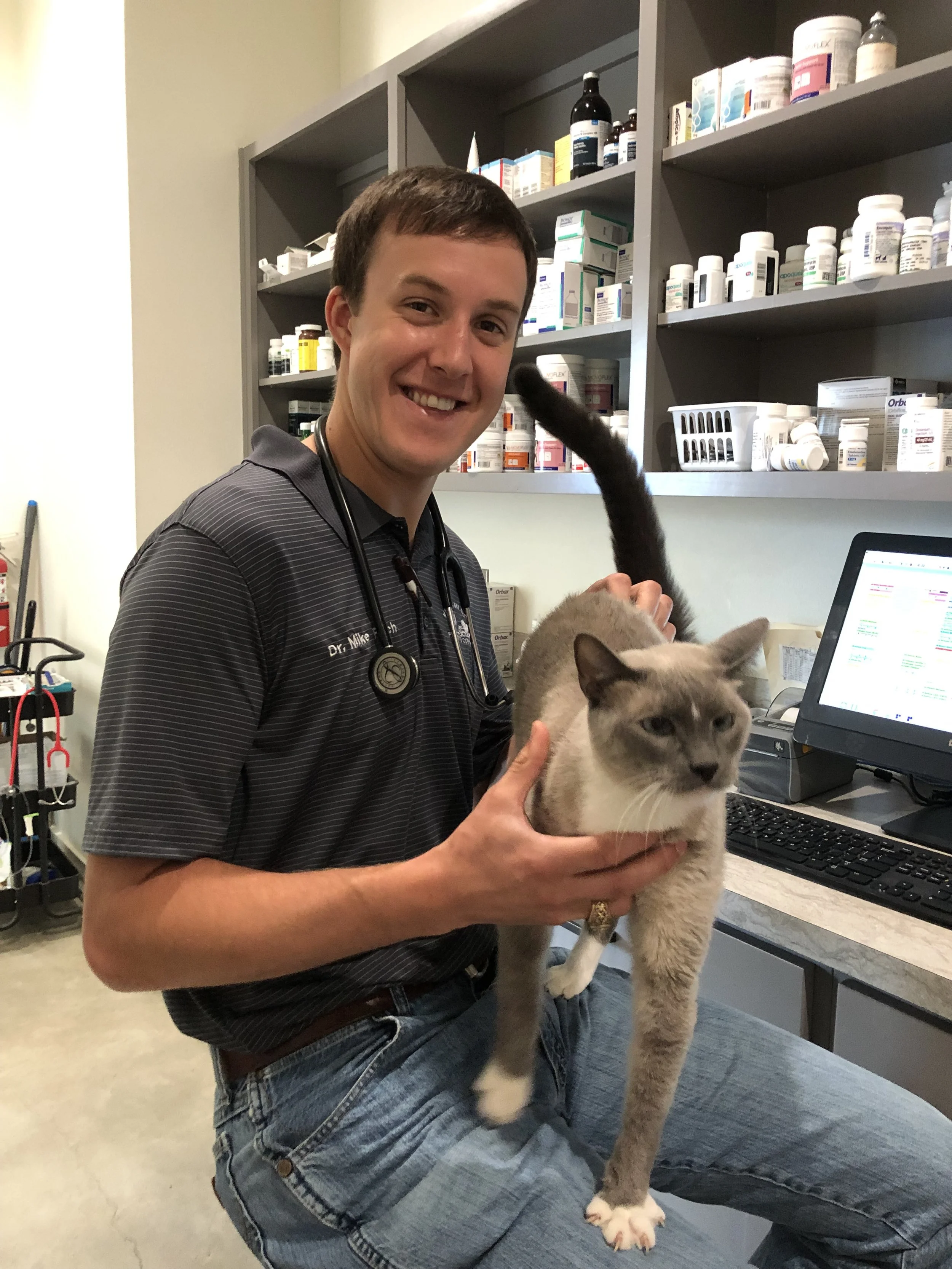
By Dr. Mike Rauch, Owner and Veterinarian, Highview Veterinary Hospital
As the temperatures rise across Texas, one of the most serious seasonal dangers I see in pets is heat stroke. Every summer, veterinary hospitals across the state treat dogs and cats suffering from heat-related illnesses, many of which could have been prevented with a few simple precautions.
Understanding how heat affects our pets—and recognizing the warning signs early—can make all the difference.
Why Are Pets at Risk for Heat Stroke?
Unlike people, dogs and cats do not sweat efficiently to cool themselves down. Instead, they rely primarily on panting to regulate their body temperature. While panting can help release excess heat, it often isn't enough during extreme temperatures, high humidity, or strenuous activity.
When a pet's body temperature rises faster than it can cool itself, heat stroke can occur. This is a true medical emergency that requires immediate veterinary attention.
Without prompt treatment, heat stroke can lead to severe complications, including:
Organ damage
Blood clotting abnormalities
Neurological problems
Shock
Death
The good news is that heat stroke is largely preventable when pet owners understand the risks.
Which Pets Are Most Vulnerable?
While any pet can develop heat stroke, some breeds are at significantly higher risk.
Dogs with short noses and flat faces—known as brachycephalic breeds—have a much harder time cooling themselves through panting. These breeds include:
French Bulldogs
English Bulldogs
Pugs
Boston Terriers
Shih Tzus
Other flat-faced breeds
In my experience working as an emergency veterinarian, more than 90% of the heat stroke cases I treated involved brachycephalic breeds.
If you own a French Bulldog, Bulldog, Pug, or another flat-faced breed, it's especially important to be cautious during the summer months. Even a routine walk or trip to the dog park can become dangerous when temperatures are high.
Signs of Heat Stroke in Pets
Recognizing the early signs of heat stroke can save your pet's life.
Watch for symptoms such as:
Excessive panting
Rapid or labored breathing
Excessive drooling
Bright red gums
Vomiting
Diarrhea
Weakness
Lethargy
Staggering or loss of coordination
Disorientation or confusion
Collapse
If your pet is showing any combination of these signs, especially after being outdoors in hot weather, take action immediately.
What Should You Do If You Suspect Heat Stroke?
If you believe your pet may be overheating, follow these steps:
1. Move Your Pet to a Cool, Shaded Area
Get your pet out of the heat as quickly as possible. Move them indoors or to a shaded location with airflow.
2. Offer Small Amounts of Water
Allow your pet to drink small amounts of cool water if they are alert and able to swallow normally. Do not force water.
3. Begin Cooling Measures
Apply cool (not ice-cold) water to your pet. Focus on gradually lowering body temperature.
Avoid using ice baths or extremely cold water, as rapid cooling can sometimes create additional complications.
4. Contact Your Veterinarian Immediately
Even if your pet appears to improve, heat stroke can continue causing internal damage long after initial symptoms develop.
Prompt veterinary care is essential.
How Veterinarians Treat Heat Stroke
When a pet arrives at our hospital with suspected heat stroke, our first priority is stabilizing the patient and safely reducing their body temperature.
Depending on the severity of the case, treatment may include:
Intravenous (IV) fluids
Oxygen support
Bloodwork to evaluate organ function
Monitoring blood pressure and body temperature
Medications to protect affected organs
Treatment for shock or clotting disorders
Because heat stroke can affect multiple organ systems, early intervention dramatically improves the chances of recovery.
Prevention Is the Best Treatment
The vast majority of heat stroke cases can be prevented with a few simple precautions:
Always Provide Fresh Water
Make sure your pet has constant access to clean, cool drinking water.
Ensure Access to Shade
If your pet spends time outdoors, provide adequate shade throughout the day.
Avoid Peak Heat Hours
In Texas, the hottest part of the day is typically between late morning and early evening. Whenever possible, schedule walks and outdoor activities early in the morning or later in the evening.
Limit Strenuous Activity
Even healthy dogs can overheat quickly when running, playing, or exercising in hot weather.
Watch High-Risk Breeds Closely
If you own a brachycephalic breed, monitor them carefully and don't allow them to overexert themselves.
Never Leave Pets in a Parked Vehicle
Even with the windows cracked, temperatures inside a vehicle can rise to deadly levels within minutes.
When to Seek Emergency Veterinary Care
If your pet is showing signs of heat stroke, don't wait to see if symptoms improve on their own.
Heat stroke is a life-threatening emergency, and every minute counts.
At Highview Veterinary Hospital, we are here to help evaluate and treat pets experiencing heat-related illness. If you are concerned that your dog or cat may be suffering from heat stroke, contact us immediately so we can provide guidance and determine whether urgent veterinary care is needed.
By taking a few precautions and staying aware of the warning signs, you can help keep your pets safe, healthy, and comfortable throughout the Texas summer.