Food Allergies in Dogs: Symptoms, Diagnosis & Treatment
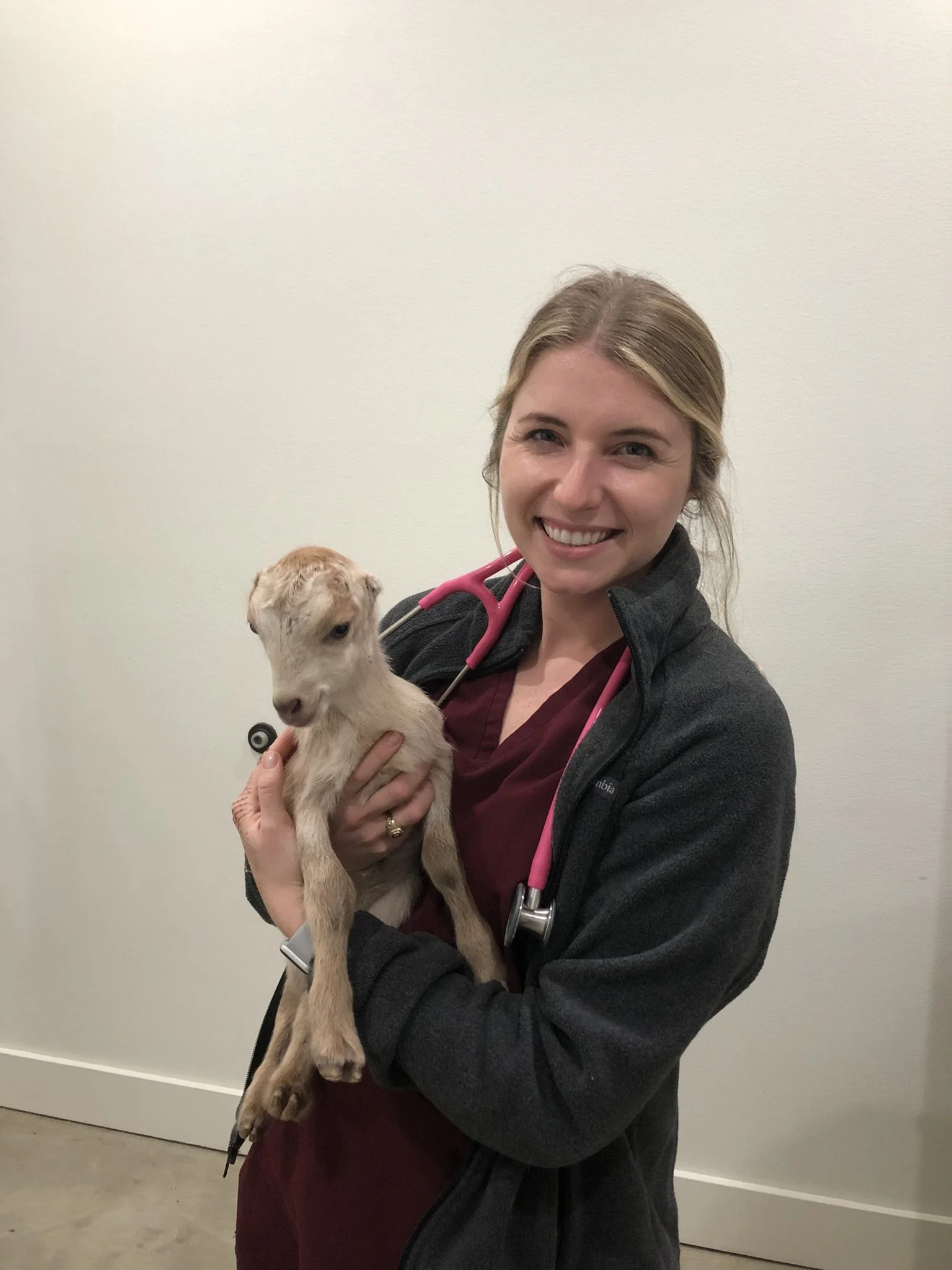
By Dr. Amelia Rauch, Owner and Veterinarian, Highview Veterinary Hospital
If your dog is constantly scratching, licking their paws, battling recurring ear infections, or struggling with digestive issues, you may be wondering if food allergies are to blame.
Over the past several years, allergies have become one of the most common medical conditions I see in veterinary practice. They're frustrating for pets and pet owners alike, but the key to successfully managing allergies is identifying the underlying cause. While food allergies are certainly a possibility, they're only one piece of the puzzle.
In this article, I'll explain how food allergies develop, the signs I look for during an examination, and how we diagnose and manage food allergies at Highview Veterinary Hospital.
Not Every Itchy Dog Has a Food Allergy
When a dog comes into my office for itching, scratching, or chronic ear problems, my first goal is to determine whether an infection is present.
Many dogs with allergies develop secondary skin or ear infections. Yeast infections and bacterial infections can cause symptoms that look remarkably similar to allergies, including:
Red, inflamed skin
Itching and scratching
Excessive licking
Hair loss
Recurring ear problems
In these cases, treating the infection is often the first step before we can accurately assess the underlying allergy.
How I Differentiate Food Allergies from Other Allergies
One of the first questions I ask pet owners is:
"Is your dog itchy all year long, or does it seem worse during certain seasons?"
If a dog experiences itching year-round, my suspicion for a food allergy increases significantly.
If symptoms worsen primarily during the spring, summer, or fall, environmental allergies are often more likely.
While this isn't a perfect rule, it helps point us in the right direction. Many dogs actually have multiple allergies at the same time, including environmental allergies, insect allergies, and food allergies.
What Causes Food Allergies in Dogs?
Food allergies occur when a dog's immune system mistakenly identifies a dietary protein as a threat.
When this happens, the immune system overreacts to that protein, creating an inflammatory response that leads to allergy symptoms.
Contrary to popular belief, food allergies aren't usually caused by preservatives, artificial colors, or grains. In most cases, the culprit is a protein source that the dog has been exposed to repeatedly over time.
Common dietary proteins include:
Chicken
Beef
Salmon
Lamb
Dairy products
Eggs
In my experience, chicken is by far the most common food allergen I encounter in dogs here in Boerne, Texas.
Common Signs of Food Allergies in Dogs
Most food allergies show up as skin and ear problems, although gastrointestinal symptoms can occur as well.
Skin Symptoms
Dogs with food allergies may experience:
Excessive itching
Licking or chewing at the paws
Red, inflamed skin
Recurring hot spots
Hair loss
Chronic skin irritation
Ear Problems
One of the biggest clues I look for is recurring ear infections.
If your dog's ears are constantly:
Itchy
Smelly
Inflamed
Producing excess wax or debris
there may be an underlying food allergy contributing to the problem.
In fact, recurring ear infections are one of the most common signs of food allergies that I see in practice.
Digestive Symptoms
Some dogs develop gastrointestinal symptoms instead of—or in addition to—skin issues.
These may include:
Vomiting
Diarrhea
Increased gas
Frequent bowel movements
How We Diagnose Food Allergies
One of the biggest misconceptions I encounter is that food allergies can be accurately diagnosed through a blood test, saliva test, or at-home allergy panel.
Unfortunately, that's simply not the case.
After consulting with veterinary dermatologists and reviewing the available evidence, there is currently no allergy test that has consistently proven reliable for diagnosing food allergies in dogs.
The gold standard remains an elimination diet trial.
What Is a Novel Protein Diet Trial?
When I suspect a food allergy, I typically recommend a novel protein diet trial.
The first step is carefully reviewing everything the dog currently eats, including:
Their primary food
Treats
Table scraps
Flavored medications
Supplements
Next, I recommend switching to a protein source the dog has never eaten before.
Depending on the dog's dietary history, options may include:
Salmon
Lamb
Venison
Alligator
Kangaroo
The goal is to expose the immune system to a protein it has not previously recognized as a trigger.
Why Consistency Matters
Once the diet trial begins, strict compliance is critical.
For six to eight weeks, the dog should eat only the prescribed diet.
That means:
No treats
No table scraps
No flavored chews
No unauthorized foods
Even a small amount of the original allergen can interfere with the trial and make interpretation difficult.
One of the most important pieces of advice I give owners is to be patient. Improvement rarely happens overnight. Some dogs don't show meaningful improvement until the very end of the six- to eight-week trial period.
What If My Dog Only Partially Improves?
Sometimes dogs improve but don't completely resolve their symptoms.
When that happens, several possibilities exist:
Environmental allergies may also be present.
Insect allergies may be contributing.
Another food ingredient may still be triggering symptoms.
A secondary infection may still need treatment.
In some cases, I may recommend a hydrolyzed protein diet.
What Is a Hydrolyzed Protein Diet?
Hydrolyzed protein diets are prescription diets designed to make proteins essentially "invisible" to the immune system.
The protein molecules are broken down into very small fragments that are less likely to trigger an allergic response.
These diets can be highly effective for some patients, but they are generally more expensive. Because of that, I usually recommend starting with a novel protein trial before moving to a hydrolyzed diet.
Reading Pet Food Labels Carefully
One mistake I frequently see involves ingredient labels.
A pet food may advertise itself as a "salmon formula" or "beef recipe," but when you read the ingredient list closely, you may discover chicken byproducts or other proteins hidden farther down the list.
If chicken is the allergen we're trying to avoid, even small amounts can sabotage the elimination diet.
Always read ingredient labels carefully and pay attention to treats, supplements, and flavored medications as well.
Frequently Asked Questions
What is the most common food allergy in dogs?
In my experience, chicken is the most common food allergen in dogs. However, that may partly reflect the fact that chicken is one of the most common ingredients found in commercial dog foods.
Can puppies develop food allergies?
Yes, although it's less common. Most food allergies tend to develop when dogs are older and their immune systems have fully matured, often around two to three years of age.
How long does it take to see improvement?
Most elimination diet trials require six to eight weeks before meaningful improvement can be evaluated. Patience and strict compliance are essential.
Are grain-free diets better for dogs with food allergies?
Not necessarily. Most dogs with food allergies are reacting to proteins rather than grains.
Additionally, some studies have suggested a possible association between certain grain-free diets and dilated cardiomyopathy (DCM), a serious heart condition. Because of this, I generally don't recommend switching to a grain-free diet unless there is a specific medical reason to do so.
Can dogs suddenly become allergic to a food they've eaten for years?
Yes. Food allergies often develop after repeated exposure over time. It's entirely possible for a dog to become allergic to a food they have eaten for years without any previous issues.
Managing Food Allergies for the Long Term
While food allergies cannot be cured, they can usually be managed successfully.
The key is identifying the trigger and maintaining a consistent diet that avoids it. Once we determine what is causing the reaction, many dogs experience significant improvement in their comfort, skin health, and overall quality of life.
When to Schedule an Appointment
If your dog suffers from chronic itching, recurring ear infections, excessive paw licking, digestive upset, or skin problems that never seem to fully resolve, food allergies may be part of the picture.
At Highview Veterinary Hospital, I'd love the opportunity to meet you and your pet, identify the root cause of their symptoms, and develop a treatment plan tailored to their needs.
If you suspect your dog may have a food allergy, contact our team today to schedule an appointment.