The 3 Most Common Pet Toxicities I See: Chocolate, Grapes & Raisins, and Marijuana
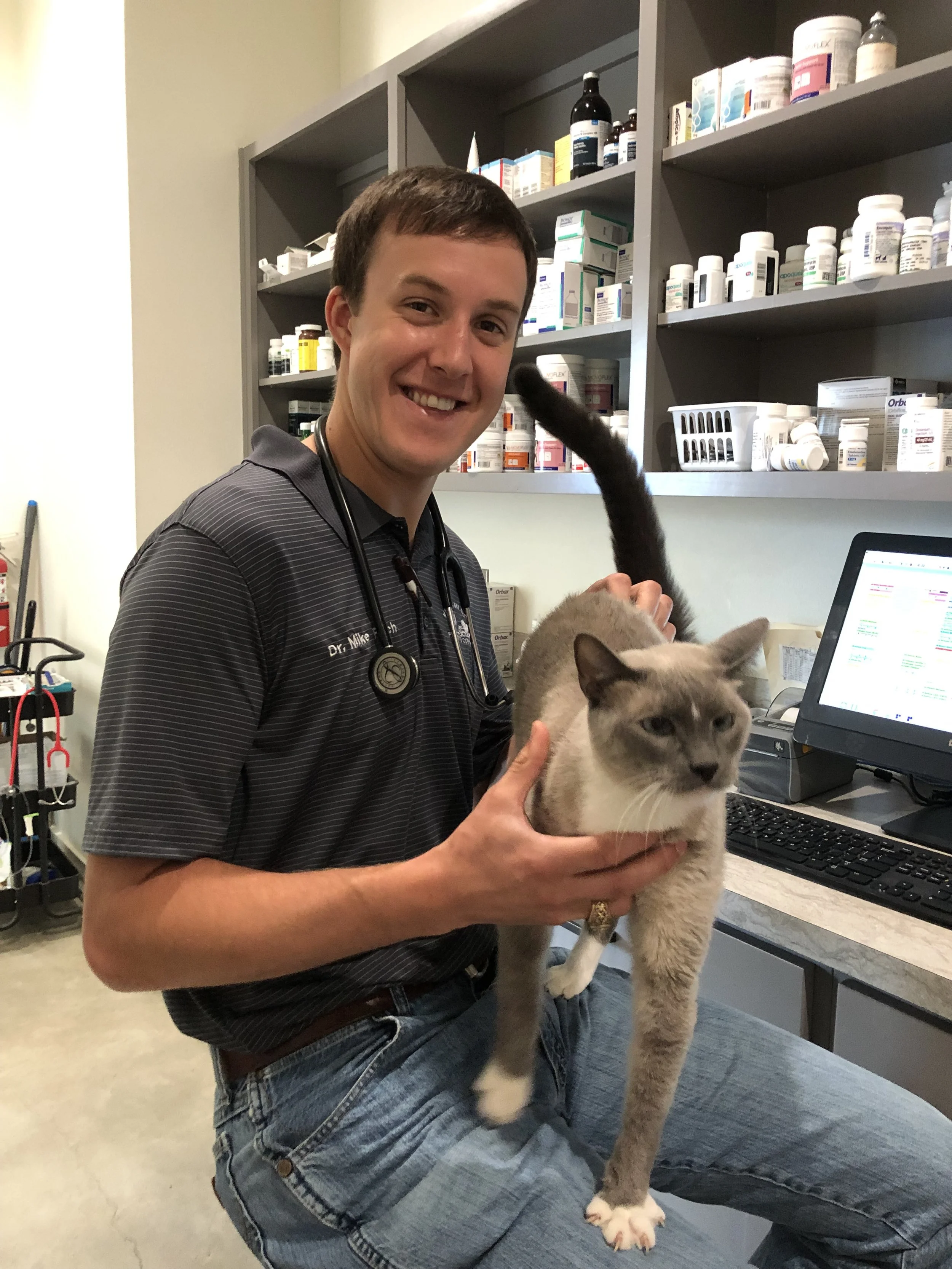
By Dr. Mike Rauch, Owner and Veterinarian, Highview Veterinary Hospital
As a veterinarian, I've had conversations with pet owners about nearly every toxin imaginable. Dogs and cats have an incredible talent for finding things they shouldn't eat, and every day in practice brings a new surprise.
That said, there are three toxicities that I encounter more often than almost any others here in Boerne, Texas: chocolate, grapes and raisins, and marijuana products.
The important thing to remember is that toxicities don't just happen in neglectful homes. In fact, most of the pets I treat for toxin exposure come from loving families who simply experienced an accident. Even the most attentive pet owners can't watch their pets every second of every day.
The good news is that early recognition and prompt veterinary care can dramatically improve outcomes.
Let's discuss the three toxicities I see most often and what you should do if your pet is exposed.
Why Every Toxicity Is Different
Before diving into specific toxins, it's important to understand that not every exposure affects every pet the same way.
Several factors influence the severity of a toxicity, including:
Your pet's size and weight
The amount consumed
The type of toxin involved
Your pet's age
Any underlying health conditions
Because of these variables, two dogs can eat the same substance and experience very different outcomes. That's why it's always best to contact your veterinarian immediately if you suspect your pet has ingested something toxic.
1. Chocolate Toxicity in Dogs
Chocolate is one of the most common toxin exposures I see in veterinary medicine.
Why Is Chocolate Dangerous?
Chocolate contains two compounds that can be toxic to dogs:
Theobromine
Caffeine
Dogs metabolize theobromine much more slowly than people do, allowing it to build up in their system and cause serious illness.
Is All Chocolate Equally Dangerous?
No.
The risk depends heavily on the type of chocolate consumed.
The most concerning forms include:
Cocoa powder
Baking chocolate
Dark chocolate
These products contain significantly higher concentrations of theobromine.
Milk chocolate contains lower levels, while white chocolate contains very little theobromine. However, any chocolate ingestion should be evaluated based on the dog's size and the amount consumed.
Common Signs of Chocolate Toxicity
I often think of chocolate toxicity as occurring in stages.
Mild Toxicity
Vomiting
Diarrhea
Moderate Toxicity
Restlessness
Agitation
Excessive panting
Elevated heart rate
Severe Toxicity
Tremors
Seizures
Changes in consciousness
Life-threatening neurologic complications
As the dose increases relative to the dog's body weight, the risk becomes significantly more serious.
What Should You Do If Your Dog Eats Chocolate?
First, determine:
What type of chocolate was eaten
Approximately how much was consumed
When it occurred
If possible, save any wrappers or packaging and bring them with you.
In many cases, we can calculate the potential toxic dose based on the type of chocolate and your dog's weight.
One of the biggest factors affecting prognosis is how quickly treatment begins. If we can safely induce vomiting shortly after ingestion, we may be able to remove much of the chocolate before significant absorption occurs.
Not every patient is a candidate for inducing vomiting, however. Dogs that are already vomiting, depressed, or showing neurologic signs may require hospitalization and more intensive monitoring instead.
Prevention Tips
Chocolate-related emergencies spike around holidays, including:
Halloween
Christmas
Valentine's Day
Easter
I always think back to my own childhood when our family dog got into an entire bowl of Halloween candy while we were out trick-or-treating. We came home to Reese's Peanut Butter Cup wrappers scattered throughout the house.
I'll never forget how sick she became, and I'm incredibly grateful for the veterinarians who cared for her. That experience helped shape my passion for helping families when their pets get into trouble.
2. Grape and Raisin Toxicity
Grapes and raisins are particularly concerning because of the organ system they affect: the kidneys.
Why Are Grapes and Raisins So Dangerous?
Unlike some toxins that require large quantities to cause harm, even a small amount of grapes or raisins can be dangerous in susceptible dogs.
In some cases, a single grape or raisin may be enough to cause serious problems in a small dog.
It's also important to remember that raisins are commonly found in foods such as:
Trail mix
Raisin bread
Cookies
Granola
Baked goods
Many owners don't realize their pet was exposed because the raisins were hidden within another food item.
Signs of Grape or Raisin Toxicity
Early Signs
Vomiting
Diarrhea
Loss of appetite
Lethargy
Advanced Signs
As kidney damage develops, symptoms may progress to:
Increased thirst
Increased urination
Severe lethargy
Kidney failure
Why Immediate Treatment Matters
With grape and raisin toxicity, time is critical.
Treatment is most effective before kidney damage occurs.
If ingestion is recent, we may be able to induce vomiting and prevent absorption of the toxin altogether.
For higher-risk exposures, hospitalization with intravenous fluids may be recommended to support kidney function and minimize the risk of long-term damage.
3. Marijuana Toxicity in Pets
Over the past several years, marijuana toxicity has become increasingly common in veterinary medicine.
Why Are We Seeing More Cases?
As marijuana products have become more widely available, accidental pet exposures have increased.
Edible products are particularly attractive because they often contain ingredients pets already find appealing.
Common sources include:
THC gummies
Brownies
Cookies
THC-infused candies
Vape cartridges
Dried cannabis products
Sometimes owners know exactly what happened. Other times, dogs find discarded products during walks, and the source isn't immediately obvious.
Common Signs of Marijuana Toxicity
Symptoms often include:
Severe lethargy
Wobbling or incoordination (ataxia)
Dilated pupils
Urinary incontinence or urine dribbling
Vomiting
Slow heart rate
Increased sensitivity to sound or touch
These signs can be alarming for owners, but fortunately, most patients recover well with appropriate care.
A Message to Pet Owners
Many owners feel embarrassed when they suspect marijuana exposure.
I always tell clients the same thing:
I am not interested in judging anyone. My priority is helping your pet.
The more accurate information you can provide, the faster and more effectively we can treat your dog or cat.
Honesty saves valuable time and often improves outcomes.
Treatment and Prognosis
Most marijuana toxicity cases are treated with supportive care, which may include:
Intravenous fluids
Monitoring
Management of secondary symptoms
Fortunately, most pets make a full recovery with appropriate treatment.
What Should You Do If Your Pet Eats Something Toxic?
If you think your pet may have ingested a toxic substance:
1. Stay Calm
Panicking can make it harder to gather important information.
2. Gather Details
Try to determine:
What was eaten
How much was consumed
When the exposure occurred
Collect any packaging, labels, or wrappers if available.
3. Contact Your Veterinarian Immediately
Do not wait for symptoms to develop.
Many toxicities can be treated much more effectively when addressed early.
Prevention Is Always Better Than Treatment
The best way to protect your pet is to prevent access to potentially toxic substances.
Store foods securely, keep medications and recreational products out of reach, and be especially vigilant during holidays and gatherings when tempting foods may be left unattended.
A little prevention can save your pet from a medical emergency—and save your family from a very stressful day.
We're Here to Help
At Highview Veterinary Hospital, we help pets and their families navigate emergencies every day.
Whether your dog ate chocolate, your puppy found a raisin cookie, or your pet may have been exposed to marijuana, our team is here to help guide you through the situation and provide the care your pet needs.
If you suspect your pet has ingested a potentially toxic substance, don't wait. Contact Highview Veterinary Hospital immediately so we can help your pet get the best possible outcome and get back to living a happy, healthy life.