Puppy Vaccines & Veterinary Care
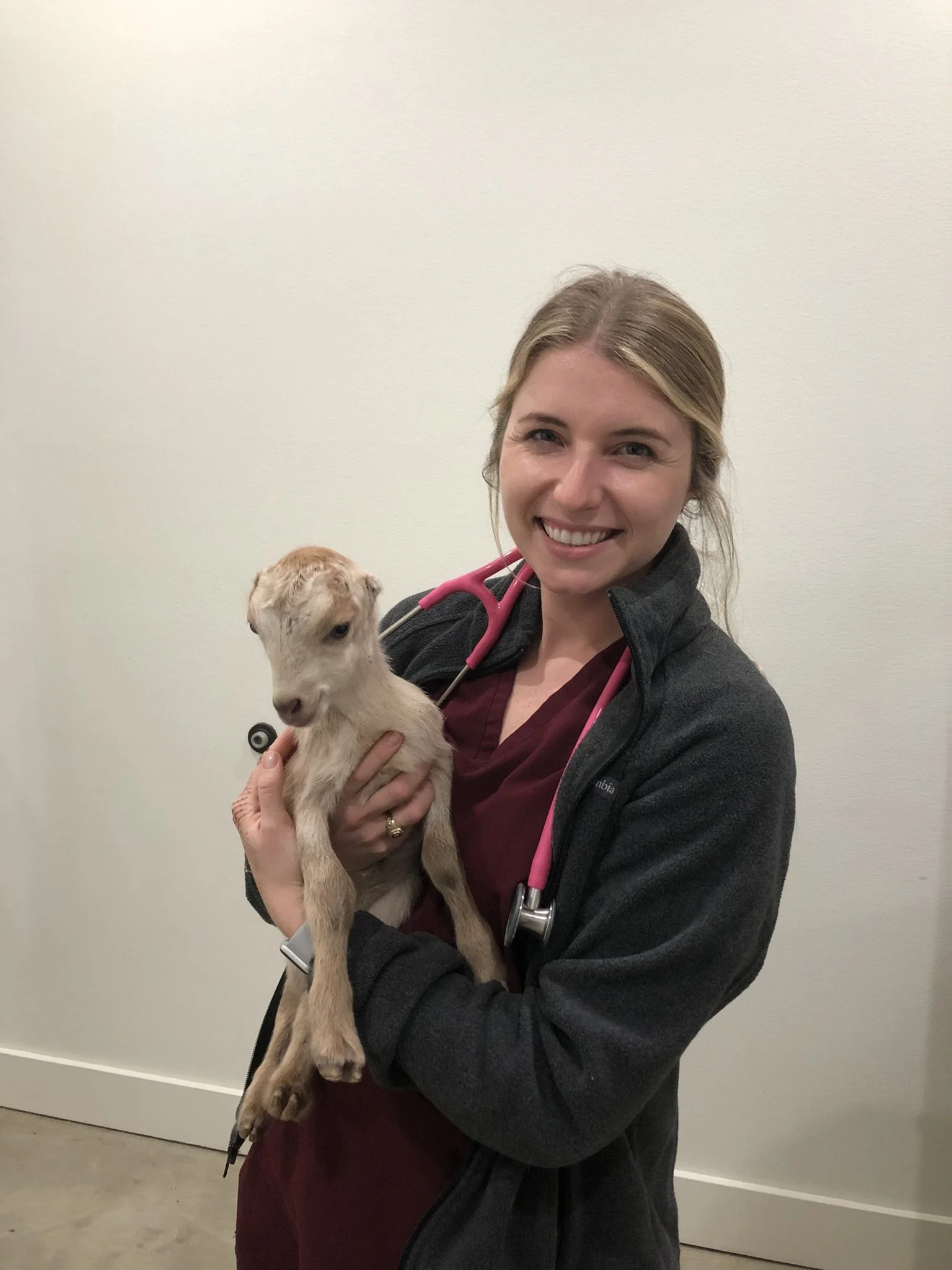
By Dr. Amelia Rauch, Owner and Veterinarian, Highview Veterinary Hospital
Bringing home a new puppy is one of the most exciting experiences a family can share. Whether you traveled across the country to bring home a puppy from a breeder or adopted a puppy from your local shelter, a new puppy brings an incredible amount of fun, love, and joy into your home.
But along with the excitement comes a lot of responsibility.
Puppies have unique medical and developmental needs, and the first few months of their lives are an important time to establish the foundation for a long, healthy life. At Highview Veterinary Hospital, we want to help you navigate those early months with confidence.
In this guide, I'll walk you through what I recommend for new puppies, including their first veterinary visit, vaccinations, parasite prevention, nutrition, microchipping, spay and neuter considerations, dental care, socialization, behavior, and recognizing potential emergencies.
Most importantly, don't wait until your puppy is sick to establish a relationship with your veterinarian. Preventive care is one of the best gifts you can give your new puppy.
When Should Your Puppy First See a Veterinarian?
I generally recommend that puppies have their first veterinary examination within a few days of coming home, particularly if they have recently been adopted from a shelter or purchased from a breeder.
Your puppy's first visit is about much more than getting vaccines. It's an opportunity to establish a baseline for your puppy's health and create a preventive care plan tailored to their individual needs.
During the first visit, we may:
Perform a complete physical examination
Assess your puppy's weight and growth
Listen to their heart and lungs
Examine their eyes, ears, mouth, and teeth
Look for congenital or developmental abnormalities
Discuss breed-specific health concerns
Review medical and vaccination records
Perform fecal testing for intestinal parasites
Deworm if appropriate
Discuss heartworm, flea, and tick prevention
Develop a vaccination schedule
Discuss nutrition and feeding
Talk about socialization and behavior
Discuss microchipping
Begin planning for spay or neuter surgery
Be sure to bring any medical records you received from the breeder, rescue, or shelter. These records can help your veterinarian determine which vaccines and parasite treatments your puppy has already received and what they need next.
Puppy Vaccines: What Does Your Puppy Need?
Vaccinations are one of the most important parts of puppy preventive care.
Puppies have developing immune systems, and vaccines help their immune systems learn how to recognize and fight potentially serious infectious diseases.
The core vaccines recommended for dogs generally protect against:
Canine distemper virus
Canine adenovirus
Canine parvovirus
Rabies
The distemper, adenovirus, and parvovirus components are commonly combined into a single vaccine that you may hear called DAPP or DHPP.
These diseases can cause severe illness and, in some cases, death. Parvovirus in particular can be devastating in young, unvaccinated puppies.
Rabies is especially important because it is a zoonotic disease, meaning it can be transmitted from animals to people. Rabies is almost invariably fatal once clinical disease develops, which is why vaccination is so important for both animal and public health.
What About Other Puppy Vaccines?
Not every puppy has the same lifestyle or exposure risks. Depending on where you live and what activities you and your puppy enjoy, your veterinarian may recommend additional vaccines, including:
Leptospirosis
Bordetella (kennel cough)
Canine influenza
Lyme disease
Other risk-based vaccines
For example, Bordetella vaccination may be recommended or required if your puppy will attend daycare, boarding facilities, grooming appointments, or puppy classes.
Leptospirosis deserves special consideration because dogs can be exposed through contaminated soil or water and through wildlife and rodents. Depending on your puppy's risk factors and your veterinarian's assessment, leptospirosis vaccination may be recommended as part of their routine vaccine plan.
Ultimately, vaccination should be individualized to your puppy. Your veterinarian can consider where you live, whether you travel, whether your puppy will go hiking or to dog parks, their exposure to wildlife, daycare or boarding plans, and other pets in the household.
Understanding the Puppy Vaccine Schedule
One of the most confusing things for new puppy owners is understanding why puppies need multiple rounds of vaccines.
The reason is that puppies receive antibodies from their mothers, and those maternal antibodies can interfere with vaccination early in life. As those antibodies decline, we give additional vaccine doses to increase the likelihood that the puppy develops adequate immunity.
A typical puppy vaccine schedule may look something like this:
6–8 weeks:
First puppy vaccine series, typically including DAPP/DHPP, along with parasite evaluation and deworming as appropriate.
10–12 weeks:
Booster vaccines and continued parasite prevention.
14–16 weeks:
Final puppy vaccine boosters and rabies vaccination, depending on the vaccine history and local requirements.
The exact timing can vary based on your puppy's age, previous vaccinations, health, lifestyle, and the specific vaccines being used.
It's important to understand that one vaccine visit does not fully protect a young puppy. Completing the recommended series is essential.
After the puppy vaccine series is complete, your veterinarian will help determine an appropriate long-term vaccination and wellness schedule.
Rabies Vaccination Is Especially Important
Rabies deserves special emphasis because of the seriousness of the disease.
Rabies is a fatal viral disease that can affect mammals, including dogs and people. Vaccination is highly effective at preventing the disease and is also required by law.
In Texas, the timing of the first rabies vaccine and subsequent boosters must follow applicable state and local requirements. Your veterinarian can help you make sure your puppy stays appropriately vaccinated throughout their life.
Parasite Prevention Should Start Early
Puppies are naturally curious. They sniff, lick, chew, and sometimes eat things they probably shouldn't.
That makes exposure to parasites difficult to avoid.
Even puppies who spend most of their time indoors can be exposed to parasites. People and other animals can unknowingly bring microscopic parasite eggs or organisms into the home.
Common intestinal parasites in puppies include:
Roundworms
Hookworms
Whipworms
Tapeworms
Giardia
Coccidia
Fortunately, most common intestinal parasites are readily diagnosed and treated when identified early.
Puppies can be particularly susceptible to parasites because their immune systems are still developing. Some intestinal parasites can also pose a health risk to people, particularly young children, making parasite prevention and good hygiene important for the entire family.
For these reasons, I recommend regular fecal testing and appropriate deworming and parasite prevention as part of your puppy's routine veterinary care.
Don't Forget Flea, Tick & Heartworm Prevention
Parasites aren't limited to the intestinal tract.
Puppies can also be exposed to:
Fleas
Ticks
Mosquitoes
Fortunately, modern prescription parasite preventives can provide excellent protection against many of these threats.
Heartworm Prevention Is Essential in Texas
Heartworm disease is particularly important for dogs living in Texas.
Heartworms are transmitted by mosquitoes. When an infected mosquito bites a dog, it can transmit immature heartworm larvae. Over the following months, those parasites develop into adult worms that live primarily in the heart and pulmonary arteries.
Heartworm disease can cause serious damage to the heart and lungs and can ultimately be fatal.
And yes, even indoor dogs are at risk. A mosquito doesn't need your dog to spend the day outside to bite them.
That's why I recommend that dogs in Texas receive reliable, veterinarian-recommended heartworm prevention year-round.
Many modern heartworm preventives also provide protection against intestinal parasites, and some products combine heartworm, flea, and tick prevention into a single medication.
I generally recommend discussing prescription prevention with your veterinarian rather than relying on products of uncertain efficacy purchased without veterinary guidance.
Feeding Your Puppy: Nutrition Matters
Nutrition plays an enormous role in your puppy's growth and development.
Puppies should generally eat a complete and balanced puppy diet appropriate for their age and size. There are also specialized diets for large- and small-breed puppies.
When choosing a food, I recommend looking for a reputable manufacturer that has appropriate nutritional expertise and quality-control standards. Examples include brands such as Purina, Royal Canin, and Hill's Science Diet, among others.
Large-breed puppies have particularly specific nutritional requirements because excessive growth can contribute to orthopedic problems.
Treats and table scraps should be limited. Puppies are growing rapidly, and consistently replacing a portion of their balanced diet with treats or human food can create nutritional imbalances or contribute to excessive calorie intake.
Your puppy should also have access to fresh, clean water at all times.
When Should You Switch to Adult Food?
There isn't one universal age for every dog.
Many dogs transition to adult food around one year of age, but larger breeds may benefit from remaining on an appropriate puppy diet longer. Your veterinarian can help you determine when the transition makes sense for your individual puppy.
I also recommend talking with your veterinarian before adding supplements or switching to a homemade diet. Products promoted online or on social media aren't necessarily beneficial, and some supplements can actually be harmful.
Microchipping Your Puppy
A microchip is one of the simplest ways to permanently identify your pet.
A microchip is a tiny identification device implanted under the skin, typically between the shoulder blades. It contains a unique identification number that can be read with a microchip scanner.
If your puppy escapes and is brought to a veterinary hospital or animal shelter, the microchip can help connect them with your contact information.
But there's an important step that owners sometimes overlook:
A microchip is only useful if it is registered.
Make sure your puppy's microchip is registered with your current contact information, and update that information whenever your phone number, address, or email changes.
Puppies can generally be microchipped at a young age. Some owners choose to have the procedure performed while their puppy is already under anesthesia for spay or neuter surgery.
When Should You Spay or Neuter Your Puppy?
There isn't a single perfect age for every dog.
The appropriate timing can depend on:
Breed
Expected adult size
Sex
Health
Lifestyle
Risk of unwanted pregnancy
Orthopedic considerations
Individual health risks
For many dogs, spay or neuter occurs somewhere between approximately six months and one year of age, but I prefer to discuss the decision on an individual basis.
Rather than following a one-size-fits-all rule, talk with your veterinarian about what makes the most sense for your puppy.
Dental Care Starts Earlier Than You Think
Your puppy's dental health begins long before their first professional dental cleaning.
Puppies develop a set of deciduous—or "baby"—teeth that are eventually replaced by their adult teeth.
During this process, complications can occur. Baby teeth may fail to fall out appropriately, adult teeth may erupt abnormally, or teeth can become damaged during chewing and play.
That's why I like to examine puppies' mouths during their wellness visits.
It's also a great time to start getting your puppy comfortable with having their mouth handled. Introducing tooth brushing and appropriate dental care while your dog is young can make maintaining their oral health much easier throughout their life.
Socialization Is Preventive Healthcare, Too
When we talk about puppy wellness, we often focus on vaccines and parasite prevention. But behavioral health is an important part of preventive medicine, too.
Puppies benefit enormously from positive experiences during their early developmental period.
This can include:
Meeting friendly, appropriately vaccinated dogs
Positive interactions with people
Puppy classes
Car rides
Gentle handling
Exposure to new environments
Learning to tolerate grooming
Having their paws, ears, and mouth handled
Getting your puppy comfortable with being handled can make future veterinary visits, nail trims, grooming, and medical procedures much less stressful.
The goal isn't to overwhelm your puppy with new experiences. Instead, we want to teach them that the world is a safe and predictable place.
Does My Puppy Have to Stay Home Until All Vaccines Are Finished?
There's a common misconception that puppies should be completely isolated until they have completed their entire vaccine series.
While puppies do have increased susceptibility to infectious disease before they are fully vaccinated, socialization is also important during this developmental period.
The key is managing risk.
Avoiding high-risk environments such as dog parks or areas frequented by large numbers of unknown dogs may be appropriate for a young, incompletely vaccinated puppy. At the same time, carefully controlled interactions with healthy, vaccinated dogs and reputable puppy socialization classes may be appropriate.
Your veterinarian can help you determine which activities are appropriate based on your puppy's age, vaccine history, and local disease risks.
Recognizing When Your Puppy Needs Veterinary Care
Puppies can become sick quickly, so it's important to pay attention to changes in their behavior and health.
Contact your veterinarian if your puppy develops concerning signs such as:
Persistent vomiting
Significant or bloody diarrhea
Refusing food
Extreme lethargy
Difficulty breathing
Pale or white gums
A swollen or painful abdomen
Repeated vomiting or diarrhea
Signs of severe pain
Suspected toxin or medication ingestion
Young puppies have limited reserves, and illnesses such as parvovirus can become serious very quickly.
If you're ever unsure whether something is normal for your puppy, it's better to call your veterinarian and ask.
Starting Your Puppy Off on the Right Paw
Puppies are an incredible source of happiness. Watching them grow from a tiny puppy into a healthy adult dog is one of the most rewarding parts of being a pet owner—and one of the things I love most about being a veterinarian.
The goal of your puppy's first year isn't simply to give vaccines. It's about establishing a foundation for lifelong health.
Through regular wellness examinations, appropriate vaccinations, parasite prevention, proper nutrition, behavioral guidance, dental care, and individualized preventive medicine, we can give your puppy the best possible start.
If you're bringing home a new puppy, the team at Highview Veterinary Hospital is here to help you navigate every stage of your puppy's first year—from vaccinations and parasite prevention to nutrition, behavior, and beyond.
I'd be honored to be your new puppy's veterinarian.
Ready to get started? Schedule your puppy's first wellness visit at Highview Veterinary Hospital in Boerne, Texas.